


As parents and grandparents grow older, they need more love, attention, and support. Today, many families prefer senior citizen care at home because it gives comfort, safety, and emotional peace. Older adults feel happier in their own homes, surrounded by familiar people and memories. Moreover, home care helps them stay independent for a longer time.
According to ageing and healthcare research, most seniors want to “age in place,” which means living safely in their own home instead of moving to a care facility.
Taking care of elderly parents at home can be difficult without proper support. Many families struggle with medical care, daily assistance, and emotional support. In this guide, you will learn how senior citizen home care works, its benefits, costs, and tips for choosing the right caregiver.
What Is Senior Citizen Care?
Senior citizen care means helping elderly people with daily activities, health support, emotional care, and safety needs. Some seniors need only small help, while others need full-time assistance.
Home care services may include:
- Personal hygiene support
- Bathing and dressing help
- Medicine reminders
- Mobility assistance
- Physiotherapy support
- Doctor visits at home
- Meal preparation
- Companionship and emotional support
These services improve comfort and quality of life for older adults.
Why Home Care Is Better for Old Age
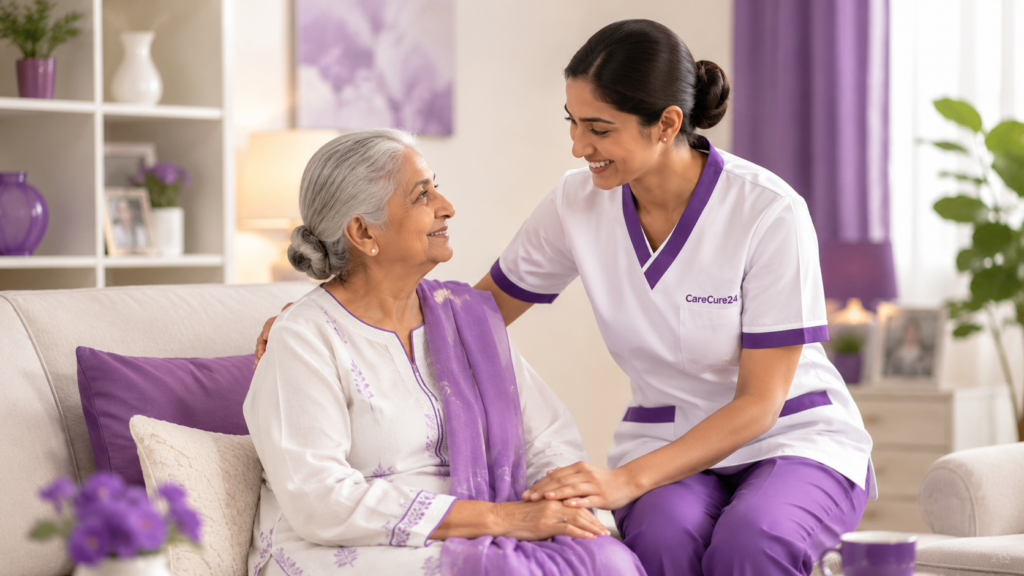
Today, more families are choosing home-based elderly care because it provides comfort, emotional support, and a better quality of life. Older adults often feel happier and more peaceful when they remain in a familiar place with people they love. In addition, home care allows seniors to receive support without losing their freedom and dignity.
1. Comfort and Emotional Safety
One of the biggest benefits of home care is emotional comfort. Seniors feel safe in their own home because everything around them is familiar. Their favourite chair, family photos, daily routine, and personal belongings help them feel calm and relaxed.
Moreover, staying at home reduces emotional stress that many seniors feel when moving to a hospital or care facility. They can wake up at their usual time, eat homemade food, and enjoy familiar surroundings every day. Because of this, many elderly people sleep better and feel emotionally stable.
2. Better Personal Attention
In hospitals and nursing homes, staff members often care for many patients at the same time. Therefore, seniors may not always receive quick personal support. However, home care focuses completely on one person’s needs.
Professional caregivers provide individual attention based on the senior’s health condition, routine, and comfort level. For example, caregivers can help with bathing, dressing, medicine reminders, meal preparation, and mobility support according to the person’s daily schedule.
3. More Independence
Many older adults fear losing their independence as they age. Home care helps seniors continue their daily lives with confidence while still receiving necessary support.
Instead of depending fully on others, seniors can continue simple activities like walking around the house, reading, gardening, eating independently, or talking with neighbours. Caregivers assist only when needed, which helps elderly people feel respected and valued.
4. Lower Risk of Infections
Hospitals and crowded care centres may increase exposure to infections and illnesses. Older adults usually have weaker immune systems, so they may become sick more easily.
At home, seniors stay in a cleaner and more controlled environment. Because fewer people enter the home daily, the chances of spreading infections are lower. This is especially important for elderly people with breathing problems, diabetes, heart disease, or recovery after surgery.
In addition, caregivers can maintain better hygiene practices at home. Clean surroundings, healthy meals, proper medicine management, and regular sanitisation help protect seniors from common illnesses.
5. Family Involvement
Family support plays a very important role in elderly care. Home care allows family members to stay closely connected with the senior’s daily life and health condition.
Unlike hospitals or nursing homes with limited visiting hours, home care gives families the freedom to spend quality time together. Children and grandchildren can visit anytime, share meals, celebrate festivals, and create happy memories.
Moreover, family members can directly communicate with caregivers and doctors. This improves trust and ensures better decision-making regarding the senior’s health and comfort.
Signs for Needs Senior Citizen Care
Sometimes families do not notice the early signs that an elderly person needs help. In many cases, small problems slowly become bigger problems. Therefore, it is very important to give proper attention at the right time. Early care can improve safety, health, and emotional happiness for senior citizens.
You may need elderly home care if your loved one:
- Forgets medicines regularly
- Has difficulty walking
- Feels lonely or depressed
- Struggles with bathing or dressing
- Misses doctor appointments
- Has memory loss or confusion
Healthcare experts say early support can improve both safety and mental health.
Important Services in Elderly Care at Home
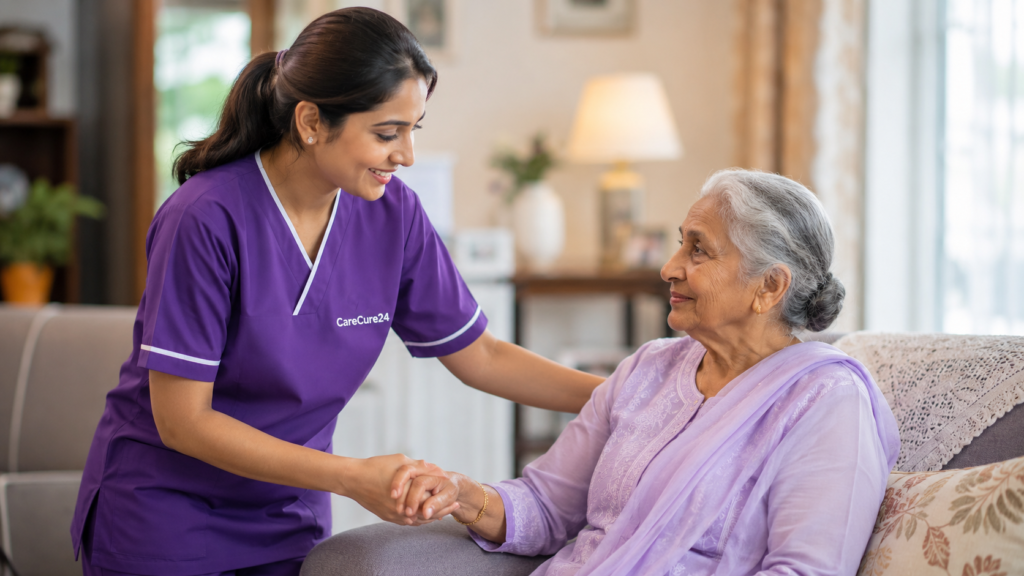
Taking care of older people at home is not only about giving medicine. It is also about giving love, comfort, safety, and daily support. Many seniors need help with simple daily work because of age, weakness, illness, or memory problems. Therefore, home care services play a very important role in improving their quality of life.
Personal Care Assistance
Personal care assistance helps seniors manage their daily routine comfortably and safely. As people grow older, simple activities may become difficult because of body pain, weakness, balance problems, or illness. Therefore, caregivers provide gentle support with daily personal tasks.
This support helps elderly people stay clean and fresh every day. In addition, good hygiene lowers the risk of infections and skin problems.
Medical Care at Home
Many elderly people need regular medical support because of age-related health problems. Frequent hospital visits can be stressful and tiring. Therefore, home healthcare services make medical care easier and more comfortable.
Medical care at home may include:
- Blood pressure checking
- Sugar level testing for diabetes
- Oxygen support and oxygen concentrator setup
- Medicine reminders
- Injection support
- Physiotherapy sessions
- Nursing care at home
- Wound dressing and care
- Recovery support after surgery
- Health monitoring for heart or breathing problems
Trained nurses and caregivers help seniors follow the doctor’s instructions properly. They also notice early signs of health problems and inform family members quickly.
Dementia and Alzheimer’s Care
Dementia and Alzheimer’s disease can affect memory, thinking, and behaviour. Seniors with these conditions often forget names, medicines, places, or daily activities. Sometimes they may feel confused, angry, scared, or emotionally upset.
Companion Care
Many elderly people live alone or spend long hours without company. Loneliness is common among elderly people. Friendly conversation, indoor activities, and emotional support improve mental well-being.
Companion care focuses on emotional support and friendly interaction.
- Talk and spend time with seniors
- Listen to their stories and feelings
- Play simple indoor games
- Help with hobbies and activities
- Read newspapers or books together
- Accompany them on short walks
- Support social interaction and communication
These small activities bring happiness and emotional comfort to seniors. In addition, regular conversation helps improve mood and mental health.
Mobility Support
As people age, walking and moving around can become difficult. Weak muscles, joint pain, balance problems, and illness increase the risk of falls and injuries. Therefore, mobility support is very important in elderly home care.
Caregivers help seniors:
- Walk safely inside the house
- Use walkers or wheelchairs properly
- Get in and out of bed
- Sit and stand comfortably
- Move safely in bathrooms and on stairs
- Prevent slips and falls
They also encourage light movement and simple exercises when advised by doctors. Regular movement helps improve blood circulation, body strength, and confidence.
Most importantly, mobility support helps seniors stay independent and safe while reducing the chance of serious injuries.
How to Make the Home Safe for Seniors
Home safety is very important in senior citizen care. Small changes can prevent accidents and improve comfort.
Easy Home Safety Tips
- Remove loose rugs and wires
- Install grab bars in bathrooms
- Use non-slip mats
- Improve lighting in hallways
- Keep emergency numbers nearby
- Add handrails near stairs
- Use comfortable chairs with support
Experts recommend regular safety checks to reduce fall risks.
Benefits of Professional Caregivers
Professional caregivers are trained to manage elderly health and emotional needs. Therefore, families feel less stress and more confidence.
A good caregiver provides:
- Patience and kindness
- Emergency support
- Health monitoring
- Medication reminders
- Emotional companionship
- Daily activity support
In addition, trained caregivers help seniors maintain dignity and independence.
Tips for Choosing the Right Home Care Service
Choosing the right home care service is very important for every family. A good caregiver can help seniors live safely, happily, and comfortably at home. However, choosing the wrong service may create stress and problems later. Therefore, families should take time before making a final decision.
Check Caregiver Experience
First, families should check the caregiver’s experience. Experienced caregivers understand how to care for older people properly. They know how to help with walking, bathing, feeding, medicine reminders, and daily activities. In addition, trained caregivers can handle emergency situations calmly.
Families should also ask:
- How many years of experience do they have?
- Have they cared for seniors with similar health problems?
- Are they trained in elderly care?
An experienced caregiver gives better support and more confidence to the family.
Ask About Emergency Support
Emergencies can happen at any time. Therefore, it is important to choose a home care service with a fast emergency response system.
Read Reviews and Reputation
Before hiring any service, families should read online reviews and ratings. Reviews help people understand the quality of service. Good reviews usually show trust, safety, and customer satisfaction.
Check Service Availability
Some seniors need care only for a few hours. However, others may need full-day or full-night support. Therefore, families should choose a service that matches their needs.
Look for Medical Support Options
Many elderly people need medical care at home. Because of this, families should check whether the service provides medical support.
Medical services may include:
- Nursing care
- Physiotherapy
- Oxygen support
- Blood pressure checking
- Diabetes care
- Post-surgery care
Professional medical support helps seniors recover faster and stay healthier at home.
Good Communication With Family
Good communication is very important in senior citizen care. Families should receive regular updates about the senior’s health, medicine, food, and daily activities.
Final Thoughts
Today, senior citizen care at home is becoming the preferred choice for many families. It gives older adults comfort, safety, independence, and emotional peace. Moreover, professional caregivers help seniors live with dignity and happiness.
With proper planning, home safety improvements, and compassionate care, elderly people can enjoy a better quality of life in the place they love most, their home.