

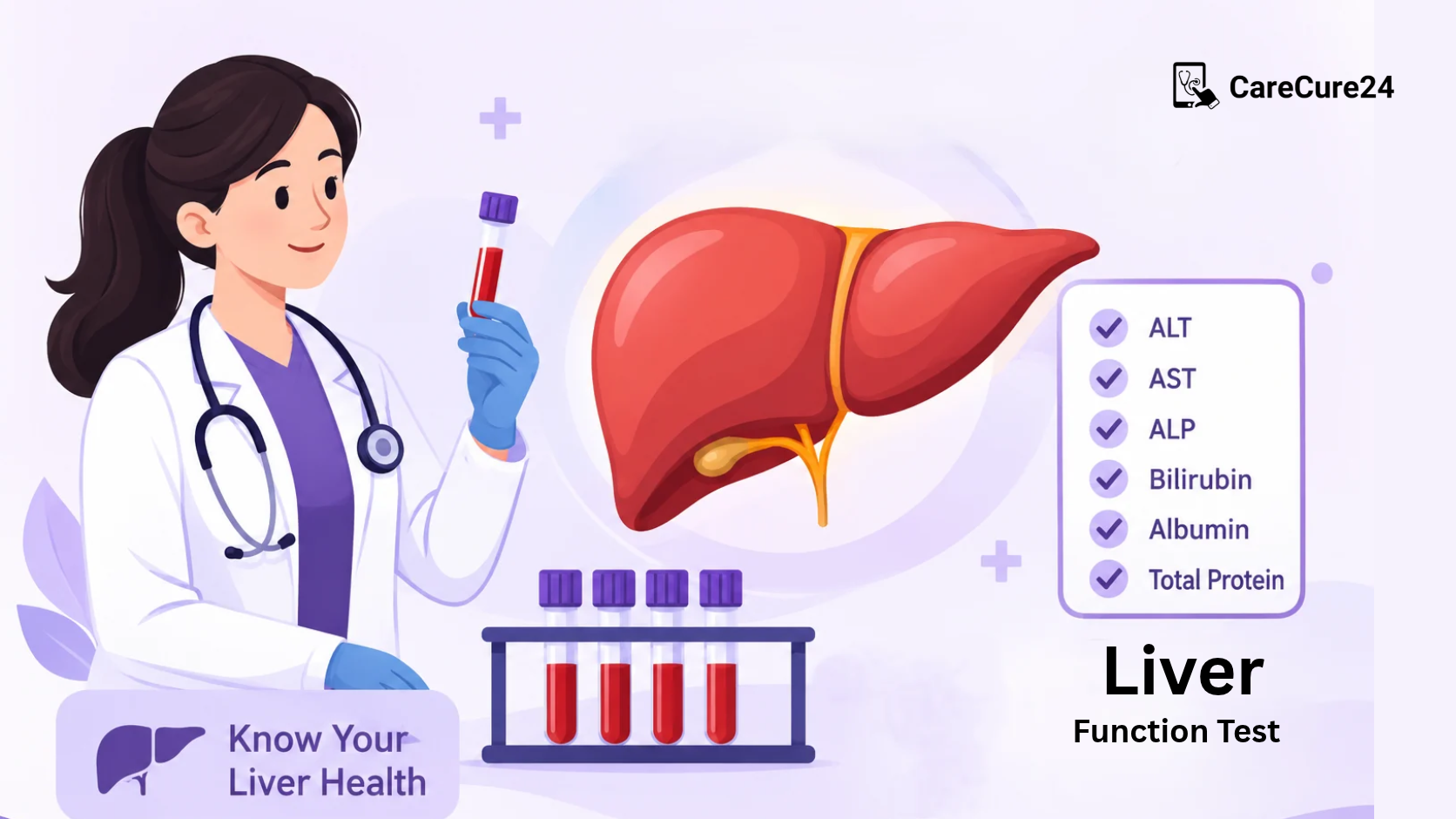
The liver is one of the most important organs in the human body. It performs several essential functions, including processing nutrients, producing important proteins, helping with digestion, storing energy and removing harmful substances from the blood. However, certain health conditions, infections, lifestyle habits and medications can affect how well the liver works.
The problem is that liver-related conditions do not always cause noticeable symptoms in their early stages. Sometimes, a person may feel completely healthy even when changes are taking place inside the liver.
This is where an LFT (Liver Function Test) becomes useful. It is a group of blood tests that helps doctors assess liver health, identify possible signs of liver injury and monitor existing liver conditions.
In this guide, we will explain what an LFT test is, which parameters it measures, who may need it, how to prepare for the test and what your results may indicate.
What Is an LFT (Liver Function Test)?
An LFT, or Liver Function Test, is a blood test that measures different enzymes, proteins and other substances present in your blood. These measurements help doctors understand how the liver is functioning and whether there may be signs of liver damage or disease.
An LFT usually includes several individual tests, such as:
- ALT (Alanine Aminotransferase)
- AST (Aspartate Aminotransferase)
- ALP (Alkaline Phosphatase)
- Bilirubin
- Albumin
- Total Protein
Depending on the laboratory and the doctor’s recommendation, GGT (Gamma-Glutamyl Transferase) and other tests may also be included.
Although commonly called a liver function test, not every parameter directly measures liver function. Some indicate possible liver cell injury, while others provide information about protein production and bile flow.
Doctors consider these results together rather than relying on a single number.
Why Is an LFT Test Important?
The liver performs many important activities every day. It helps digest fats through bile production, processes medicines, stores certain nutrients and produces proteins required by the body.
When the liver becomes affected by an infection, inflammation, fatty liver disease or another medical condition, certain blood test values may change.
An LFT helps doctors:
- Identify possible signs of liver inflammation or injury.
- Investigate symptoms that may be related to liver problems.
- Monitor people who already have a liver condition.
- Check whether certain medicines are affecting the liver.
- Assess changes in liver health over time.
- Decide whether additional investigations are necessary.
For example, doctors may recommend an LFT for someone with suspected fatty liver disease, hepatitis, jaundice or unexplained changes in liver-related symptoms.
Which Parameters Are Checked in an LFT?
An LFT contains several individual measurements. Each parameter provides different information about your liver health.
Here is what the commonly included parameters mean.
1. ALT (Alanine Aminotransferase)
ALT is an enzyme found mainly in liver cells. When liver cells become damaged, ALT can enter the bloodstream, causing its level to increase.
Higher ALT levels may be associated with:
- Fatty liver disease
- Viral hepatitis
- Liver inflammation
- Certain medication-related liver injuries
- Other liver conditions
ALT is an important marker of possible liver cell injury. However, an elevated result does not automatically confirm a specific disease.
2. AST (Aspartate Aminotransferase)
AST is an enzyme found in the liver, heart, muscles and other body tissues.
When these tissues become damaged, AST may increase in the blood.
Higher AST levels can be associated with liver conditions, muscle injury and certain other health problems.
Doctors often compare AST with ALT to understand the pattern of enzyme changes.
3. ALP (Alkaline Phosphatase)
ALP is an enzyme found mainly in the liver, bile ducts and bones.
Higher ALP levels may indicate problems involving bile flow or certain liver conditions. However, ALP can also increase due to bone-related conditions.
Therefore, doctors may consider other test results, including GGT, to understand the possible cause.
4. Bilirubin
Bilirubin is a yellow substance produced when old red blood cells break down.
The liver processes bilirubin and helps remove it from the body through bile.
When bilirubin levels become elevated, a person may develop jaundice, which causes yellowing of the skin and eyes.
An LFT may include:
- Total Bilirubin
- Direct Bilirubin
- Indirect Bilirubin (calculated or separately reported)
Increased bilirubin can occur due to several conditions, including liver disease, bile duct problems and increased breakdown of red blood cells.
5. Albumin
Albumin is an important protein produced by the liver. It helps maintain fluid balance within blood vessels and transports different substances throughout the body.
Low albumin levels may be associated with chronic liver disease, but they can also occur due to kidney disease, poor nutrition, inflammation and other conditions.
Doctors use albumin results alongside other clinical findings to assess overall health.
6. Total Protein
Total protein measures the combined amount of albumin and globulins in the blood.
Changes in total protein levels may be associated with liver conditions, nutritional problems, kidney disorders and certain inflammatory conditions.
It provides additional information when doctors assess liver health.
7. GGT (Gamma-Glutamyl Transferase)
GGT is an enzyme found mainly in the liver and bile ducts.
Higher GGT levels may occur with liver injury, bile duct problems, alcohol-related liver injury and certain medication effects.
Doctors often interpret GGT together with ALP and other liver markers.
When to Consider an LFT Test?
Many liver conditions develop without obvious symptoms in their early stages. However, certain symptoms and health conditions may make an LFT necessary.
A doctor may recommend this test if you experience:
- Yellowing of the skin or eyes.
- Unusual tiredness or persistent weakness.
- Loss of appetite.
- Frequent nausea or vomiting.
- Pain or discomfort in the upper right side of the abdomen.
- Dark-coloured urine.
- Pale or unusually light-coloured stools.
- Persistent itching without an obvious cause.
- Unexplained swelling in the abdomen or legs.
Apart from these symptoms, people with certain health conditions or risk factors may also require liver testing.
These include:
- People living with diabetes.
- Individuals with obesity or metabolic risk factors.
- People with a history of hepatitis.
- Individuals with a family history of certain liver diseases.
- People taking medicines that may affect the liver.
- Individuals with a known liver condition who require regular monitoring.
Remember, having one or more of these risk factors does not necessarily mean you have liver disease. A doctor can help determine whether an LFT is appropriate.
Preparation for an LFT Test
Preparing properly can help ensure that your blood sample is collected under the conditions recommended by your healthcare provider.
Here are a few important things to remember:
1. Ask About Fasting
Not every LFT requires fasting. However, your doctor or laboratory may recommend fasting depending on the specific tests included in your blood test panel.
2. Inform Your Doctor About Medicines
Some medicines, vitamins and herbal supplements may affect liver-related test results. Inform your doctor about everything you are taking. Never stop prescribed medicines on your own before the test.
3. Stay Hydrated
Unless your healthcare provider gives different instructions, drinking plain water is generally allowed and can make blood collection easier.
4. Follow the Laboratory Instructions
If fasting or any other preparation is required, follow the recommended timing carefully.
How Is an LFT Blood Test Performed?
An LFT is a simple blood test performed by a trained healthcare professional.
The usual procedure involves:
- A healthcare professional cleans the selected area of your arm.
- A small needle is inserted into a vein.
- A blood sample is collected into a suitable collection tube.
- The sample is sent to a laboratory for analysis.
- The laboratory prepares the report for the doctor to review.
The blood collection usually takes only a few minutes. You may experience slight discomfort or temporary bruising at the collection site.
What Do Abnormal LFT Results Mean?
When you receive your LFT report, some values may appear higher or lower than the laboratory’s reference range.
It is important not to panic after seeing an abnormal result.
For example:
- High ALT or AST may indicate possible liver cell injury.
- High ALP and GGT may suggest a problem involving bile flow or the liver.
- High bilirubin may be associated with jaundice or problems with bilirubin processing.
- Low albumin may indicate reduced protein production or another health condition.
- Changes in total protein may require further evaluation.
However, abnormal results do not always mean that you have a serious liver disease.
Temporary illness, certain medicines, muscle injury and other health conditions can also affect some liver-related values.
Similarly, normal LFT results do not completely rule out every liver condition.
Your doctor will consider your symptoms, medical history, medication use and the complete test report before deciding whether further investigations are needed.
Depending on the findings, additional tests such as an abdominal ultrasound, hepatitis screening or other blood investigations may be recommended.
Can an LFT Detect Fatty Liver?
An LFT can help identify changes in liver enzymes that may occur in people with fatty liver disease.
However, an LFT alone cannot confirm or rule out fatty liver.
Some people with fatty liver may have normal liver enzyme levels. Therefore, doctors may recommend an abdominal ultrasound or other appropriate investigations depending on the patient’s health history and risk factors.
Early medical evaluation can help identify the appropriate steps for managing liver health.
How Often Should You Get an LFT Test?
There is no single testing schedule suitable for everyone.
The frequency depends on your health condition, medical history, risk factors and your doctor’s recommendation.
For example:
- People with diagnosed liver disease may need regular monitoring.
- Patients taking certain long-term medicines may require periodic testing.
- People with abnormal previous reports may need repeat testing.
- Individuals with specific symptoms may need testing as advised by their doctor.
You do not necessarily need an LFT every year if you are healthy and have no medical reason for testing. Follow an appropriate testing schedule recommended by your healthcare professional.
Get Your LFT Test Done at Home
Taking care of your liver health should not always require a visit to a diagnostic centre.
You can arrange LFT (Liver Function Test) sample collection at home. Our home sample collection service helps make routine diagnostic testing more convenient for individuals and families.
Whether you need testing as advised by your doctor, want to monitor an existing liver condition or need a follow-up investigation, home sample collection can save you the effort of travelling to a laboratory.