

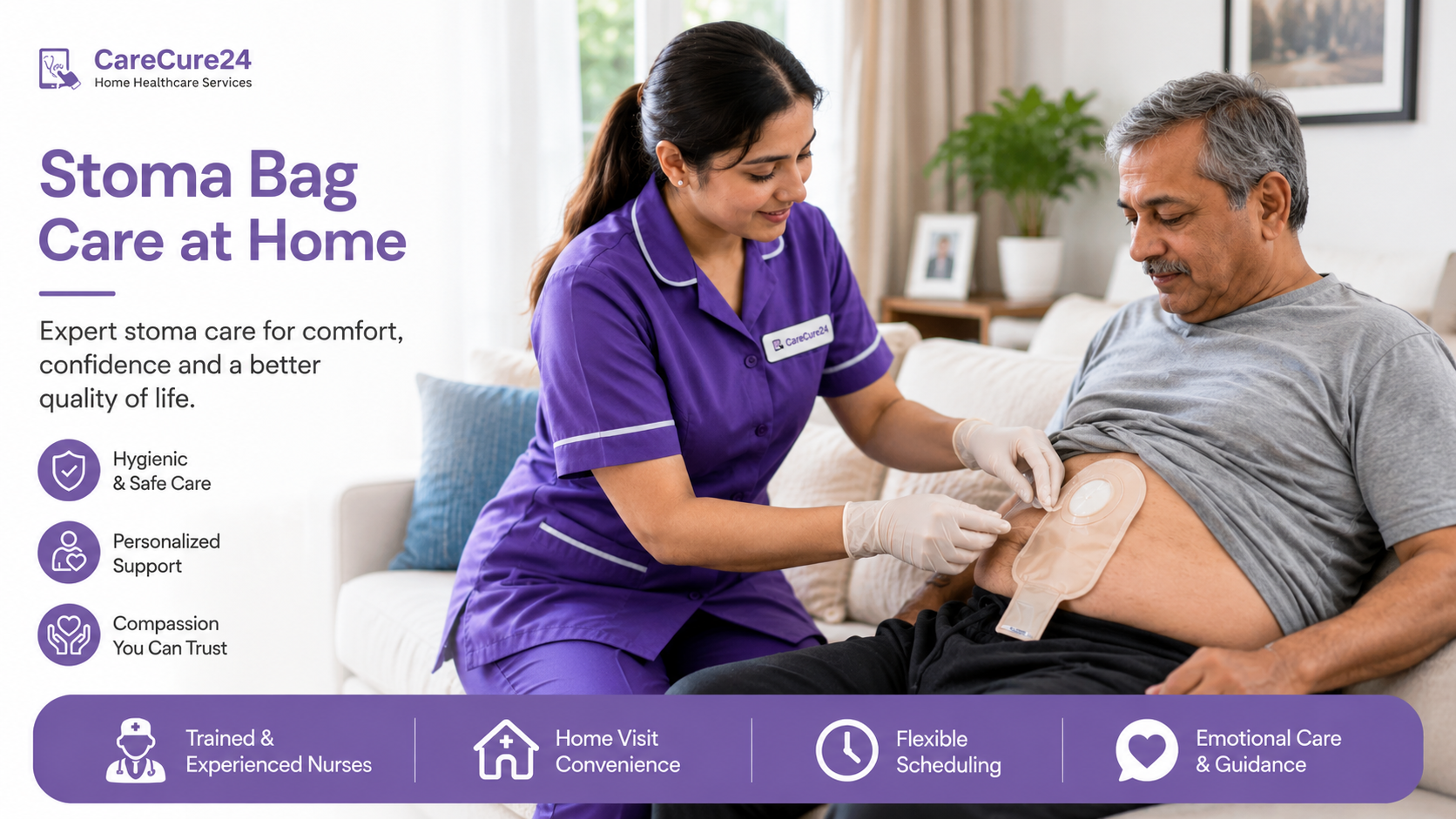
Living with a stoma may feel difficult at first. However, with proper care and daily attention, people can live a healthy and comfortable life. Good stoma bag care helps prevent infection, skin problems, leakage, and bad smell. It also improves confidence and comfort at home.
In this article, you will learn everything about stoma bag care in very simple English. This guide is useful for students, caregivers, patients, and family members.
What Is a Stoma Bag?
A stoma bag is a special medical pouch used to collect waste from the body after surgery. The opening on the abdomen is called a stoma. Doctors create this opening when the bowel or urinary system cannot work normally.
The stoma bag is attached to the skin around the stoma. It collects stool or urine safely. Although it may look different in the beginning, many people adjust well after some time.
Why Stoma Bag Care Is Important
Proper stoma bag care is very important because it helps keep the patient healthy and comfortable. Without good care, skin irritation, infection, leakage, and pain may happen.
Regular care also helps:
- Keep the skin clean and dry
- Prevent bad smells
- Reduce infection risk
- Improve confidence
- Increase comfort during daily activities
- Help the bag stay attached properly
Therefore, learning the right care method is necessary for every patient and caregiver.
Types of Stoma
There are mainly three common types of stoma. Doctors create different types of stomas depending on the patient’s health condition and need. Every stoma works differently, so patients and caregivers should understand the basic differences between them.
Colostomy
A colostomy is made from the large intestine, also called the colon. In this type, stool comes out through the stoma into the stoma bag. Usually, the stool is thicker and more solid because it passes through most parts of the intestine before coming out.
Many patients with colon cancer, bowel injury, or intestinal blockage may need a colostomy. Sometimes it is temporary, and sometimes it can be permanent depending on the medical condition.
Ileostomy
An ileostomy is made from the small intestine. In this type, waste comes out faster because it does not pass through the large intestine. Therefore, the stool is softer, watery, and more liquid.
Patients with Crohn’s disease, ulcerative colitis, intestinal damage, or bowel surgery may need an ileostomy. Since the output is more liquid, the stoma bag may need to be emptied more frequently.
Urostomy
A urostomy is different from a colostomy and an ileostomy because it is used for urine collection instead of stool. Doctors create a urostomy when the bladder cannot store or pass urine normally due to bladder cancer, injury, or other urinary problems.
In this type, urine passes continuously into the stoma bag. Therefore, the bag should be checked and emptied regularly. Patients should also maintain good hygiene to prevent urine infection and skin irritation.
Supplies Needed for Stoma Bag Care
Before starting the cleaning process, prepare all necessary items. This makes the work easier and cleaner.
You may need:
- New stoma bag
- Skin barrier or wafer
- Warm water
- Soft cloth or cotton
- Disposable gloves
- Scissors if needed
- Waste disposal bag
- Tissue or towel
Additionally, always keep extra supplies at home for emergencies.
Step-by-Step Stoma Bag Care at Home
1. Wash Your Hands Properly
Before touching the stoma bag or the stoma area, always wash your hands properly with soap and clean water. You should wash for at least 20 seconds.
2. Remove the Old Bag Carefully
Next, slowly remove the used stoma bag from the skin. Do not pull the bag quickly because the skin around the stoma is soft and sensitive.
3. Clean the Stoma Area
After removing the old bag, clean the stoma and nearby skin gently using warm water and a soft cotton cloth or gauze.
There is usually no need to use strong soap, alcohol, or chemical products because they may irritate the skin or cause dryness.
4. Check the Skin and Stoma
Now, carefully check the stoma and the surrounding skin every time during bag change.
Normally, a healthy stoma looks pink, red, and slightly wet. This is normal because the stoma has a good blood supply.
The surrounding skin should look healthy without pain or redness.
However, contact a healthcare professional if you notice:
- Bleeding
- Swelling
- Bad smell
- Severe redness
- Skin rash
- Pus or infection signs
Early treatment helps prevent bigger problems.
5. Attach the New Stoma Bag
Before attaching the new bag, measure the stoma properly if needed. The opening of the bag should fit correctly around the stoma.
If the hole is too small, it may hurt the stoma. On the other hand, if the hole is too large, stool or urine may leak onto the skin.
After placing the bag, press gently around the adhesive area for a few seconds.
Finally, place the used stoma bag, tissues, gloves, and waste materials into a disposal bag and throw them away properly.
How Often Should a Stoma Bag Be Changed?
The timing depends on the type of stoma and the bag used. Usually, many people change the bag every 3 to 5 days.
However, the bag should be changed immediately if:
- There is a leakage
- The adhesive becomes loose
- Bad smell appears
- Skin irritation starts
Also, empty the bag when it becomes one-third full. This helps prevent leakage and discomfort.
Common Problems During Stoma Bag Care
Sometimes patients face small problems during daily care. Fortunately, most issues can be managed easily.
Skin Irritation
This is one of the most common problems. Leakage, moisture, or frequent bag removal may damage the skin.
To prevent irritation:
- Keep the skin dry
- Use the correct bag size
- Change the bag carefully
- Avoid harsh products
Leakage
Leakage can happen if the bag does not fit correctly. Therefore, always check the size and seal properly.
Bad Smell
A strong smell comes due to leakage or delayed cleaning. Regular stoma bag care helps reduce odour.
Additionally, some foods may increase smell.
Infection
Poor hygiene may lead to infection. Signs include pain, swelling, redness, or pus. In such cases, medical help is necessary.
Food and Lifestyle Tips for Stoma Patients
Healthy habits are also important after stoma surgery.
Drink Enough Water
Patients should drink enough fluids every day. This is especially important for ileostomy patients.
Eat Slowly
Eating slowly helps improve digestion and reduce gas problems.
Avoid Problem Foods
Some foods may cause gas, bad smells, or blockage. Therefore, patients should observe which foods cause discomfort.
Stay Active
Light exercise and walking help improve physical and mental health. However, heavy lifting should be avoided without medical advice.
Emotional Support Is Important
Many patients feel nervous or embarrassed after stoma surgery. This is completely normal in the beginning.
Family support, proper education, and regular practice can help patients feel more confident. Over time, most people return to normal daily life.
Additionally, speaking with a nurse or stoma care expert may reduce fear and stress.
When to Call a Healthcare Professional
Seek medical help immediately if you notice:
- Severe pain
- Continuous bleeding
- Fever
- Deep skin wounds
- No output from the stoma
- Dark or black stoma color
- Continuous leakage
Quick medical attention can prevent serious complications.
Benefits of Professional Stoma Care at Home
Many families now prefer professional home healthcare services for stoma bag care. Trained nurses can help patients safely at home.
Professional home care offers:
- Proper cleaning support
- Infection prevention
- Patient education
- Comfortable care at home
- Emergency support
- Better recovery
Therefore, home nursing services can reduce stress for both patients and families.
Conclusion
Stoma bag care is an important part of daily life after stoma surgery. Although it may seem difficult in the beginning, proper knowledge and regular care make the process easier.
Cleanliness, correct bag changing, skin protection, and healthy habits are the keys to successful stoma care. Moreover, emotional support and professional guidance help patients live confidently and comfortably.
With proper stoma bag care at home, patients can continue their normal activities and enjoy a better quality of life.