

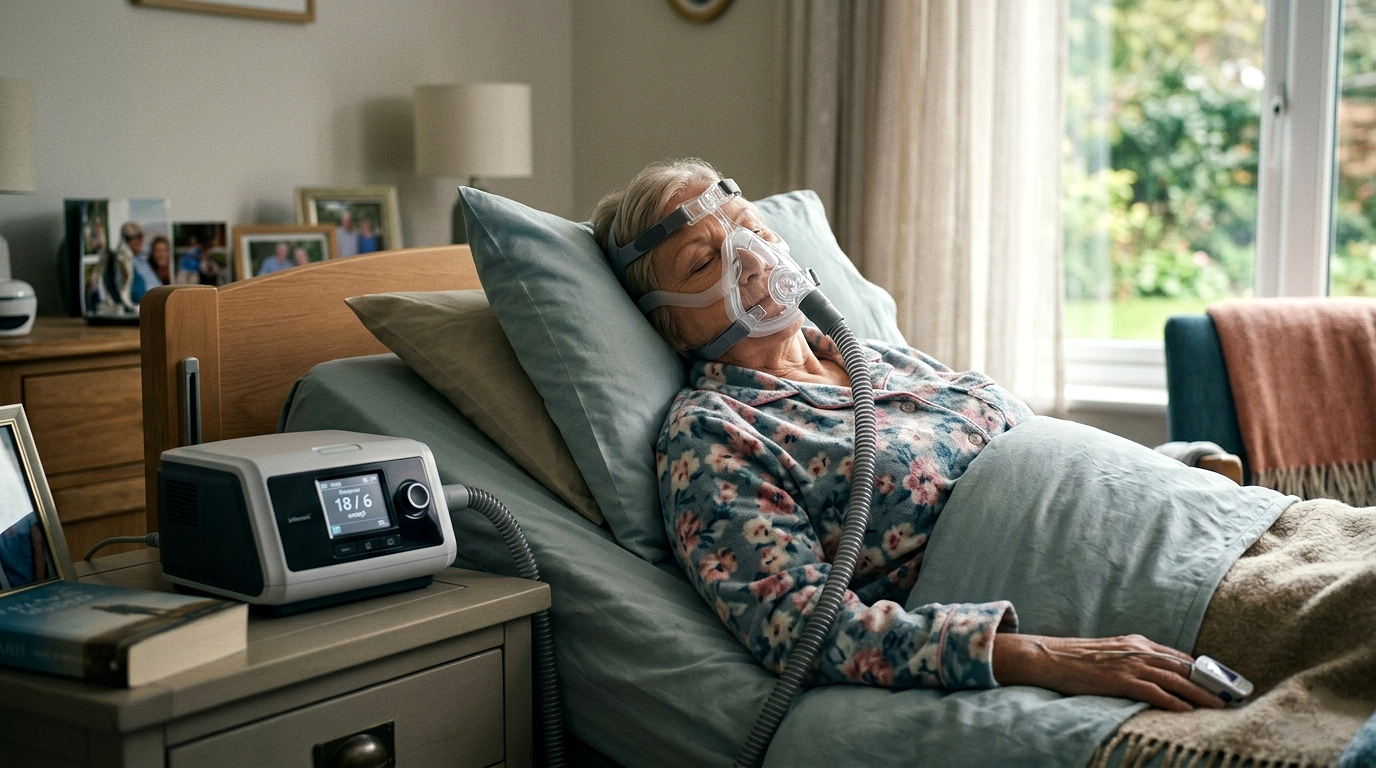
Respiratory therapy means treatment that helps people breathe better. It is used for patients who have lung or breathing problems like asthma, COPD, pneumonia, or low oxygen levels.
Respiratory therapy at home means these treatments are given at home instead of in a hospital.
This is very helpful because patients feel more comfortable and recover faster.
According to medical sources, home respiratory care includes oxygen therapy, nebulizer treatment, CPAP/BiPAP machines, and chest physiotherapy.
Why Respiratory Therapy at Home is Important
Respiratory therapy at home is very important for people who have breathing problems. It allows patients to get proper care without staying in a hospital. At home, the environment is calm and familiar, so patients feel more relaxed and less stressed. Because of this, recovery becomes smoother and more comfortable.
Today, many families prefer home care because it is safe and also saves unnecessary travel and waiting time. In addition, doctors and trained caregivers can guide the therapy easily at home.
Main Benefits:
- ✔ Helps the patient breathe easily
- ✔ Reduces hospital visits
- ✔ Improves quality of life
- ✔ Saves money and time
- ✔ Provides emotional comfort at home
Studies show that home respiratory care can improve survival, reduce hospital stays, and increase independence.
Types of Respiratory Therapy at Home
1. Oxygen Therapy at Home

Oxygen therapy gives extra oxygen to the body when the lungs cannot supply enough.
It is used for:
- COPD
- Asthma
- Lung diseases
- Heart problems
- COVID recovery
Types of oxygen therapy:
Long-Term Oxygen Therapy
This is used when a patient needs oxygen for many hours every day, usually more than 15 hours. It is common in serious lung diseases. It helps patients live longer and feel better.
Short-Term Oxygen Therapy
This is used for a short period, like after illness, surgery, or infection. Once the patient improves, oxygen is stopped.
Portable oxygen for walking
Portable oxygen is small and easy to carry. It is used when the patient wants to move, walk, or go outside. This helps the patient stay active and independent without breathing difficulty.
Nocturnal Oxygen Therapy
This oxygen is used only at night while sleeping. It helps patients who have low oxygen levels during sleep.
Palliative Oxygen Therapy
This is given to reduce breathlessness in very serious or final-stage illness. It is mainly for comfort, not for a cure.
High-Flow Oxygen Therapy
This gives oxygen at a high flow rate using a special machine. It is used in severe breathing problems when normal oxygen is not enough.
It helps increase oxygen in the blood and improves body function.
2. Nebulizer Therapy

A nebulizer converts liquid medicine into mist so the patient can inhale easily. The patient inhales this mist through a mask or mouthpiece.
This therapy is commonly used for these patients who are surviving with:
- Asthma
- Bronchitis
- Breathing difficulty
Nebulizer therapy at home is safe and easy to use. It is especially helpful for children, elderly patients, and people who cannot use inhalers properly. It directly sends medicine to the lungs, so it works faster.
3. CPAP / BiPAP Therapy
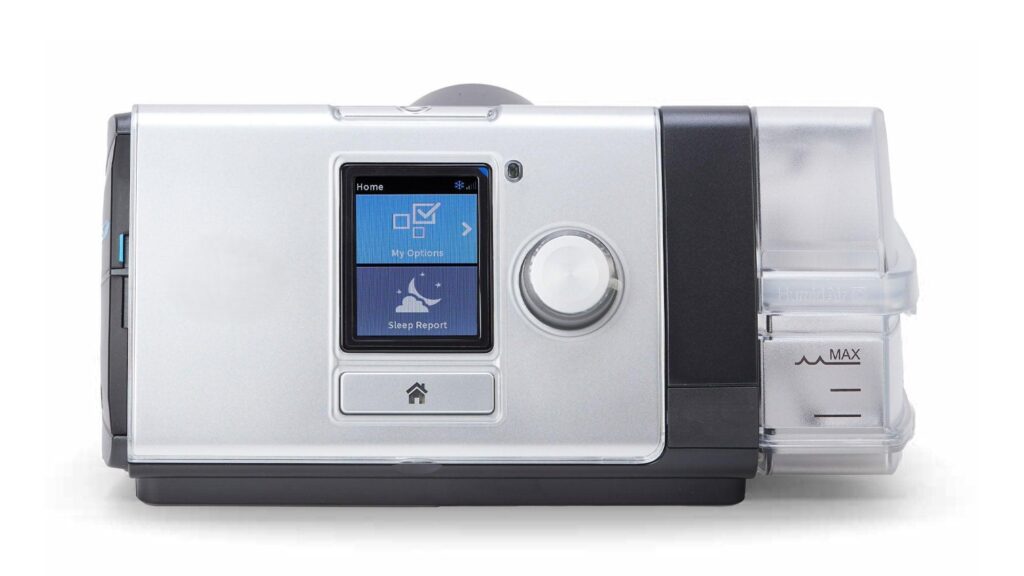
CPAP (Continuous Positive Airway Pressure) and BiPAP (Bi-level Positive Airway Pressure) are special machines that help people breathe easily, especially during sleep. Many patients stop breathing for a few seconds at night. These machines help patients breathe properly during sleep.
Used for:
- Sleep apnea
- Severe breathing problems
Benefits of CPAP / BiPAP Therapy
- ✔ Improves sleep quality
- ✔ Prevents breathing stops
- ✔ Reduces tiredness and headache
- ✔ Improves oxygen level in the body
- ✔ Protects heart and brain health
They maintain airflow and prevent breathing stops at night.
4. Chest Physiotherapy
Chest physiotherapy is a simple treatment that helps clear mucus (phlegm) from the lungs. When mucus builds up, it becomes hard to breathe. This therapy helps open the airways so the patient can breathe more easily.
Techniques include:
- Clapping (Gentle tapping on the chest and back to loosen mucus)
- Vibration (Light shaking movements to move mucus upward)
- Breathing exercises (Slow and deep breathing to improve airflow)
It improves lung function and reduces breathing difficulty.
Who Needs Respiratory Therapy at Home?
You may need respiratory therapy at home if you have:
- Asthma
- COPD (chronic lung disease)
- Pneumonia
- Breathing problems
- Shortness of breathing
- Stroke patients with weak lungs
- Elderly patients with low oxygen
Doctors usually recommend it after hospital discharge.
How Respiratory Therapy at Home Works
Respiratory therapy at home is a well-planned and safe process. It is done step by step so that the patient gets the right care without any confusion.
Step-by-step process:
1. Doctor Checks the Patient’s Condition
First of all, the doctor carefully checks the patient’s health. After that, the doctor understands what type of support the patient needs. This step is very important because the whole treatment depends on it.
2. A Proper Therapy Plan is Created
Next, a clear and simple plan is made for the patient.
This plan includes:
- Type of therapy (oxygen, nebulizer, CPAP, BiPAP, etc.)
- How many times is therapy needed in a day
- Duration of treatment
Because every patient is different, the plan is always personalized.
3. Equipment is Arranged at Home
After planning, all necessary medical equipment is set up at home.
For example:
- Oxygen concentrator or cylinder
- Nebulizer machine
- CPAP/BiPAP machine
The team makes sure everything is clean, safe, and easy to use. So, the patient does not face any problem.
4. A Trained Nurse or Therapist Guides the Process
Then, a trained nurse or respiratory therapist visits the home.
- Show how to use the machines
- Help during therapy sessions
- Check if the patient is comfortable
As a result, the patient feels safe and confident during treatment.
5. Regular Monitoring is Done
After starting therapy, regular check-ups are very important.
The Nurse or therapist:
- Monitors oxygen levels
- Checks breathing improvement
- Adjusts treatment if needed
This step ensures that the therapy is working properly.
6. Family Members are Also Trained
Finally, family members are taught how to handle basic care.
They learn:
- How to use the devices
- How to clean equipment
- What to do in an emergency
Because of this, the patient gets continuous care even without the nurse all the time.
Home care teams also teach family members how to use devices safely.
Safety Tips for Home Respiratory Therapy
- Always follow the doctor’s advice
- Keep equipment clean
- Do not smoke near oxygen
- Check oxygen levels regularly
- Use proper masks and devices
Important: Oxygen is highly flammable, so safety is very important.
Why Choose Respiratory Therapy at Home?
In today’s busy life, hospital visits are difficult. That’s why home care is the best option.
Respiratory therapy at home gives:
- Comfort
- Personalized care
- Faster recovery
- Family support
It is especially helpful for elderly and long-term patients.
Conclusion
Respiratory therapy at home is a safe, effective, and modern solution for breathing problems.
It includes oxygen therapy, a nebuliser, CPAP/BiPAP, and chest physiotherapy. All these treatments help patients live a better and healthier life.
If you or your patient has breathing problems, choosing respiratory therapy at home can be the best decision for recovery and comfort.