

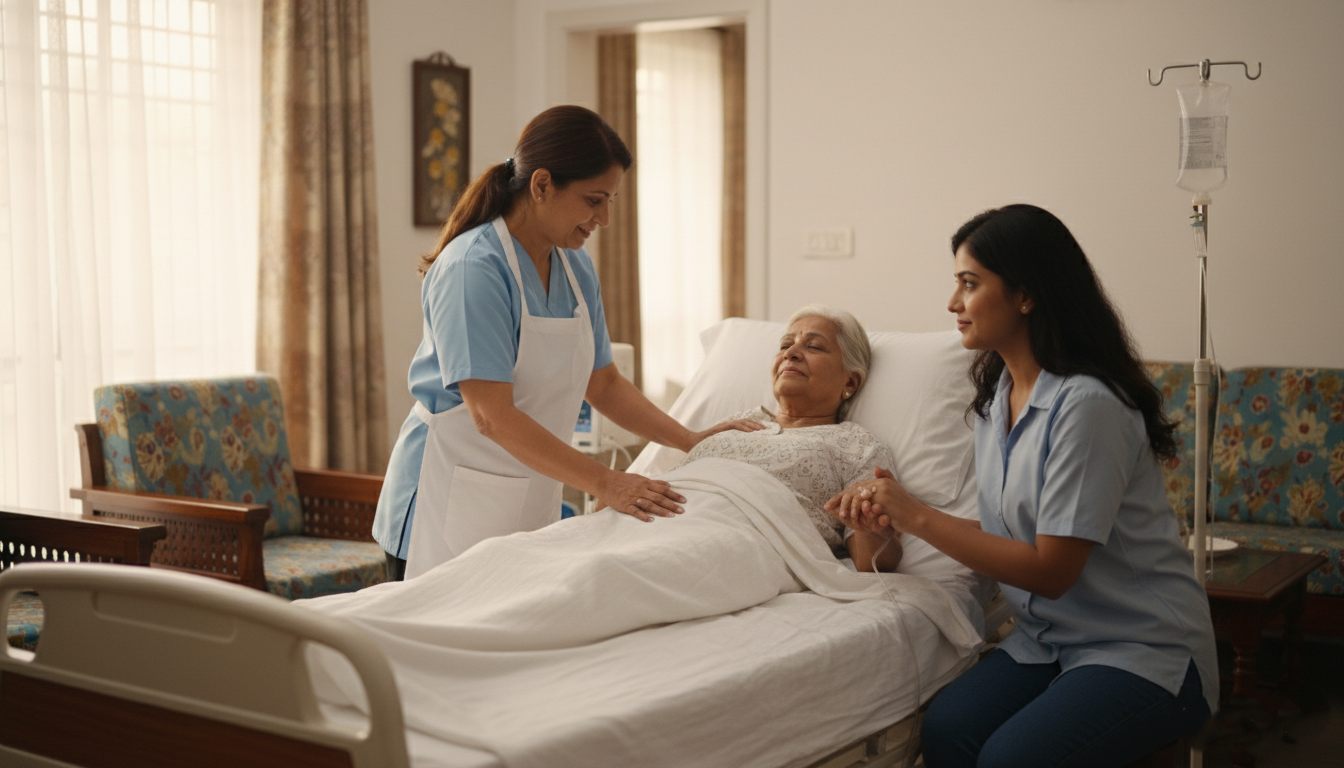
When a family member is living with a serious or life-limiting illness, the journey is never easy. Families often feel confused, emotionally tired, and unsure about what kind of care is best. In such times, palliative care at home becomes a gentle and supportive option that focuses not just on treatment but on comfort, dignity, and quality of life.
This blog explains palliative care at home in simple words, covering every important aspect to help families make informed and compassionate decisions.
What Is Palliative Care?
Palliative care is specialized medical care for people suffering from serious, chronic, or critical illnesses such as cancer, advanced heart disease, lung disease, kidney failure, neurological disorders, or age-related conditions.
The main goal of palliative care is not to cure the disease, but to:
- Reduce pain and discomfort
- Manage symptoms
- Provide emotional and psychological support
- Improve the quality of life for both the patient and family
Palliative care can be given at any stage of illness and can be provided along with ongoing medical treatment.
What Does Palliative Care at Home Mean?
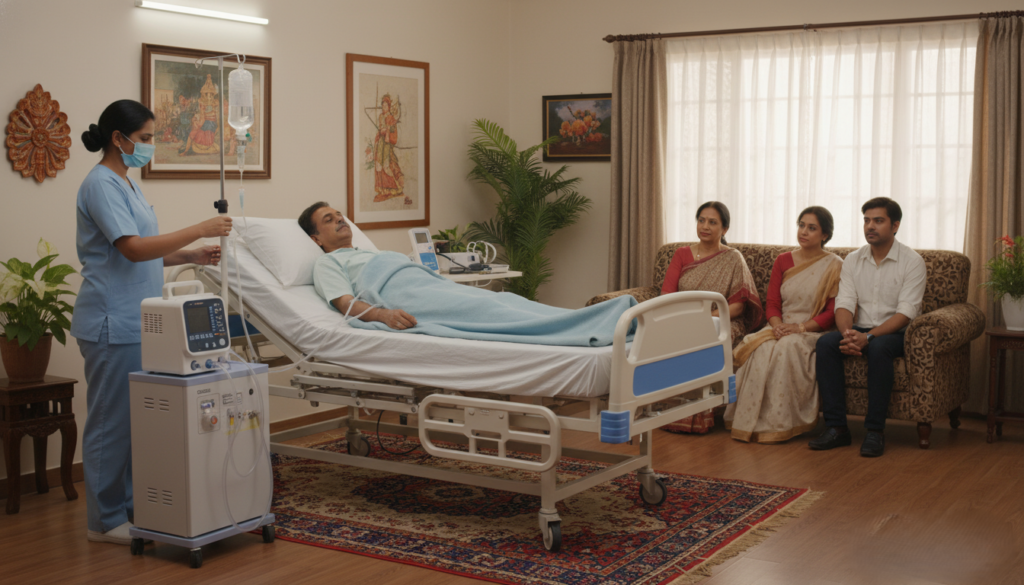
Palliative care at home means providing professional medical and supportive care in the comfort of the patient’s own home. Instead of staying in a hospital for long periods, the patient receives care in a familiar environment, surrounded by family.
Home-based palliative care brings hospital-level support to the doorstep while maintaining warmth, privacy, and emotional security.
Who Needs Palliative Care at Home?
Palliative care at home is helpful for:
- Elderly patients with multiple health problems
- Cancer patients experiencing pain or side effects of treatment
- Patients with advanced heart, lung, kidney, or liver disease
- Stroke or paralysis patients
- Patients with dementia, Parkinson’s disease, or Alzheimer’s
- Bedridden or critically ill patients
- Families who want comfort-focused care instead of frequent hospital visits
It is especially beneficial when hospital treatment becomes stressful, expensive, or emotionally draining.
Key Goals of Palliative Care at Home
The purpose of palliative care is much broader than medical treatment. Its main goals include:
1. Pain and Symptom Management
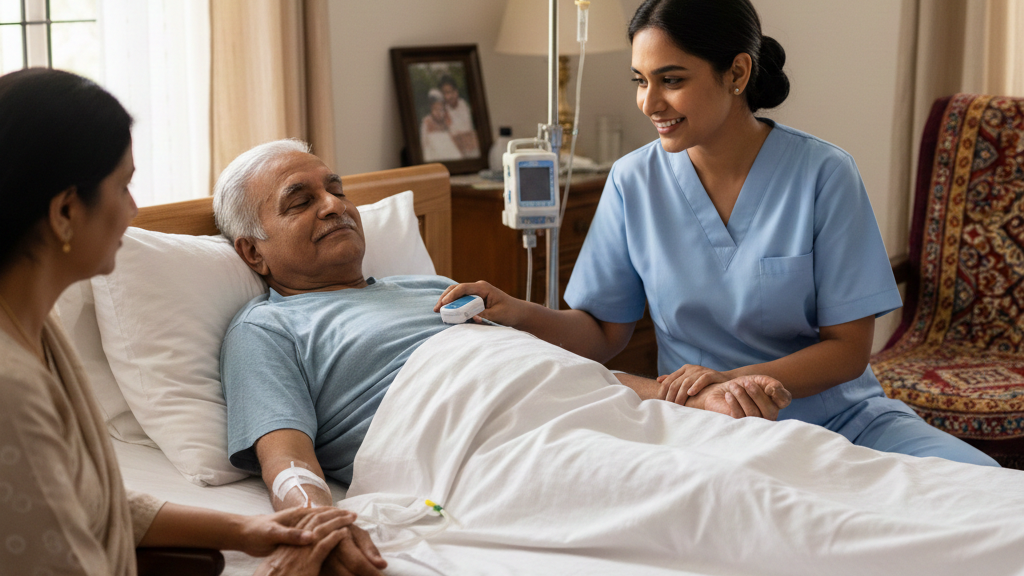
Pain and discomfort are some of the biggest challenges faced by patients with serious or long-term illnesses. In palliative care at home, pain and symptom management are one of the most important focuses. The aim is not only to reduce physical pain but also to ease emotional and mental distress, so the patient can live with comfort and dignity.
2. Emotional and Mental Support

Serious illness does not affect only the body. It deeply affects the mind and emotions of the patient and their family. Fear, anxiety, sadness, anger, and confusion are very common during long-term or critical illness. This is why emotional and mental support is an essential part of palliative care at home.
Palliative care understands that healing is not always physical. Sometimes, emotional comfort and mental peace matter more than medicines.
3. Maintaining Dignity
Maintaining dignity is one of the most important parts of palliative care at home. When a person is seriously ill or in the final stages of life, they may feel weak, dependent, or emotionally vulnerable. Dignity means making sure the patient feels respected, valued, and cared for as a human being, not treated like a disease or a burden.
At home, dignity becomes easier to preserve because the patient stays in a familiar, safe, and private environment.
- Respecting Personal Choices
- Privacy and Personal Space
- Gentle and Compassionate Communication
- Proper Hygiene and Comfort Care
- Managing Pain and Symptoms Promptly
4. Supporting Family Members
When a patient receives care at home, family members naturally become a very important part of the care journey. While caring for a loved one is an act of love, it can also be physically tiring and emotionally stressful. Supporting family members is a key part of good home-based palliative care.
Family caregivers often experience fear, sadness, anxiety, and exhaustion. Watching a loved one suffer can be emotionally overwhelming. Palliative care teams provide emotional support by listening patiently, offering reassurance, and helping families express their feelings openly. Knowing that they are not alone brings great mental relief.
Services Included in Palliative Care at Home
Palliative care at home usually includes a combination of medical and supportive services, such as:
Doctor Visits at Home
Regular or on-call doctor visits to assess the patient’s condition, adjust medications, and guide the care plan.
Trained Nurses and Caregivers
Experienced nurses help with:
- Medication administration
- Pain management
- Wound and catheter care
- Feeding support
- Monitoring vital signs
Caregivers assist with daily activities like bathing, mobility, and hygiene.
Pain Management and Medication Support
Proper use of pain relief medicines, symptom-control drugs, and guidance on dosage and timing.
Medical Equipment at Home
Support with arranging:
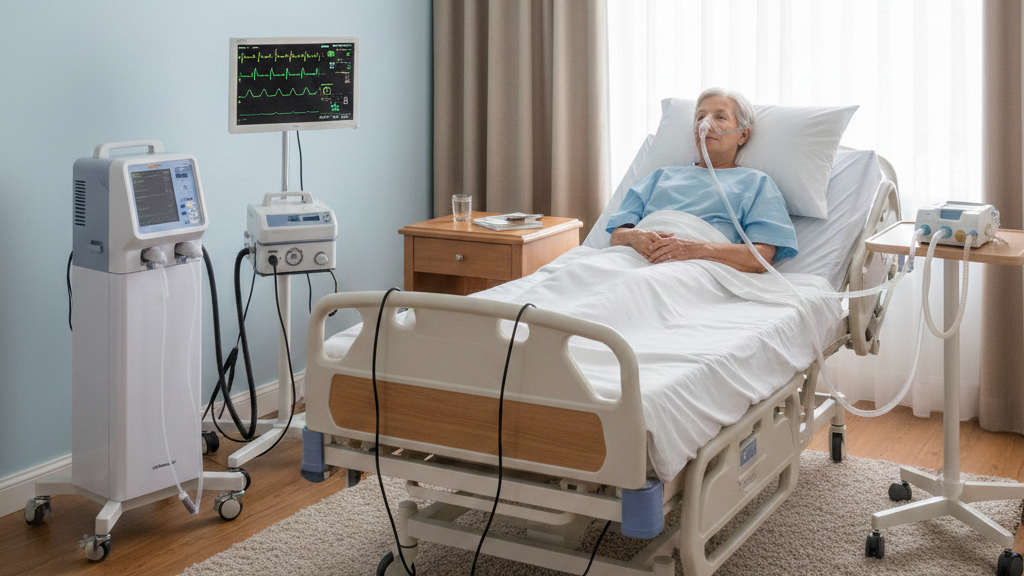
- Oxygen concentrators
- Hospital beds
- Cardiac Monitor
- BiPAP or suction machines
Emotional and Psychological Care
Counselling and emotional reassurance for both patient and family.
End-of-Life Care (When Needed)
Compassionate care focused on comfort, peace, and dignity during the final stage of life.
Benefits of Palliative Care at Home
Palliative care at home offers much more than medical support. It brings comfort, emotional peace, and personalized care to patients and their families during difficult times.
1. Comfort of Home
The biggest benefit of palliative care at home is comfort. Patients remain in their own familiar environment, surrounded by family members, personal belongings, and memories. This sense of familiarity helps reduce anxiety, confusion, and fear, especially for elderly and critically ill patients.
2. Reduced Hospital Visits
Frequent hospital visits can be tiring and stressful for both patients and families. Palliative care at home helps reduce unnecessary hospital admissions by managing symptoms effectively at home.
3. Personalized Care
Unlike hospitals, home palliative care is completely personalized. Care plans are designed based on the patient’s condition, routine, and comfort level.
The care team gives one-to-one attention, ensuring that the patient’s physical, emotional, and psychological needs are fully addressed.
4. Better Family Involvement
Caregiving can be physically and emotionally exhausting. Palliative care at home supports families by:
- Guiding them on daily care routines
- Teaching safe handling and medication use
- Offering emotional counselling
- Being available for guidance during emergencies
This support reduces caregiver stress and burnout.
5. Cost-Effective
Long hospital stays can be expensive. Home-based palliative care is often more affordable, as it reduces costs related to:
- Hospital rooms
- Repeated tests
- Travel and accommodation
Families receive quality care without financial pressure.
6. Emotional Peace
Regular visits from the same care team help build trust. Patients feel comfortable sharing their concerns, and families feel confident knowing their loved one is in safe hands.
Difference Between Palliative Care and Hospice Care
Many people confuse palliative care with hospice care, but they are not the same.

- Palliative care can start at any stage of illness and can be given alongside treatment.
- Hospice care is usually provided when treatment is stopped, and life expectancy is limited.
Palliative care focuses on improving life, while hospice care focuses on comfort during the final phase.
When Is the Right Time to Start Palliative Care?
There is no “too early” time to start palliative care. In fact, starting early helps manage symptoms better and reduces emotional stress.
You should consider palliative care at home if:
- Pain or discomfort is increasing
- Hospital visits are frequent
- The patient feels weak or exhausted
- Family caregivers feel overwhelmed
Early support often leads to better comfort and peace of mind.
Role of Family in Home Palliative Care
Family members play a very important role in home-based palliative care. Their presence, emotional support, and involvement make a big difference.
Healthcare professionals guide families on:
Daily Care Routines at Home
Daily care routines are the foundation of good home care. They help the patient feel safe, clean, and comfortable every day. At home, daily care usually includes bathing or sponge cleaning, changing clothes, maintaining personal hygiene, helping with toileting, repositioning bedridden patients, and ensuring proper nutrition and hydration. These routines are done gently and according to the patient’s physical condition and comfort level.
A regular routine also helps prevent bedsores, infections, and discomfort. When care is provided at home, these activities are carried out in a familiar environment, which makes the patient feel relaxed and respected, especially elderly or critically ill individuals.
Medication Schedules at Home
Following the correct medication schedule is very important in home care. Many patients take multiple medicines for pain control, chronic illness, or symptom management. At home, caregivers and nurses ensure that medicines are given at the right time, in the correct dose, and in the proper way, whether orally, through injections, or via feeding tubes.
Maintaining a fixed schedule helps control pain, manage symptoms, and avoid complications caused by missed or incorrect doses. Care professionals also observe how the patient responds to medicines and inform the doctor if any side effects or changes occur, ensuring safe and effective treatment at home.
Handling Emergencies Calmly at Home
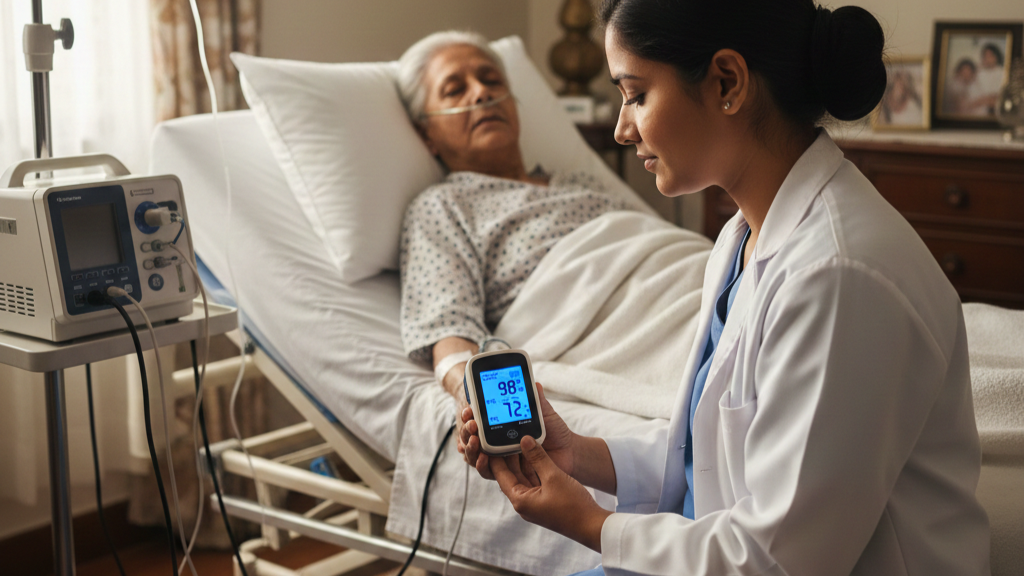
Emergencies can be stressful, especially when caring for a critical patient at home. Trained home care providers help families stay calm and prepared during such situations. They know how to recognize early warning signs like breathing difficulty, sudden pain, fever, low oxygen levels, or changes in consciousness.
By acting quickly and calmly, they can provide immediate support, administer basic care, and contact doctors or emergency services when needed. Having professional guidance at home reduces panic and gives families confidence that their loved one is in safe hands, even during unexpected situations.
Providing Emotional Comfort at Home
Emotional comfort is a very important part of care at home, especially for patients facing long-term or serious illness. Being surrounded by familiar faces, personal belongings, and loved ones helps patients feel secure and emotionally supported. Caregivers and nurses not only assist physically but also listen, talk kindly, and reassure patients during moments of fear, pain, or sadness.
Emotional support at home helps reduce anxiety, improve mental well-being, and allows patients to feel valued, understood, and respected throughout their care journey.
Emotional Challenges and How Palliative Care Helps
Living with a serious illness brings fear, sadness, and uncertainty. Palliative care acknowledges these feelings instead of ignoring them.
It helps by:
- Listening without judgment
- Offering emotional reassurance
- Helping families cope with stress and grief
- Encouraging open communication
This emotional support is as important as physical care.
Choosing the Right Palliative Care at Home Provider
When selecting a palliative care service, look for:
- Trained and compassionate staff
- Clear communication
- 24/7 support availability
- Experience with critical and elderly care
- Respect for patient dignity and family values
Trust and comfort with the care team are very important.
Final Thoughts

Palliative care at home is about living with comfort, respect, and peace, even during serious illness. It allows patients to stay close to loved ones, reduces unnecessary suffering, and supports families during one of the most emotional phases of life.
Choosing palliative care is not about giving up. It is about choosing care that truly matters, care that focuses on comfort, dignity, and humanity.
If your patient needs gentle, compassionate support, palliative care at home can be a meaningful and comforting choice.