

When winter arrives, many people notice changes in their breathing. A feeling of shortness of breath in winter, tightness in the chest, or difficulty taking a deep breath these become common problems.
This can be worrying, especially for those who have never experienced it before. You may wonder whether it is just a normal winter reaction or a sign of something more serious.
Cold air, low humidity, and seasonal infections can all affect how our lungs and airways work.
For some people, winter simply makes breathing feel uncomfortable, while for others it can worsen existing health conditions like asthma, allergies, or heart problems. Understanding why shortness of breath happens in winter is important because it helps you know when to relax and when to seek medical attention.
In this article, we will explore whether shortness of breath in winter is normal, what causes it, who is more at risk, and how you can protect your breathing health during the colder months.
Why Does Shortness of Breath Increase in Winter?
1. Cold Air Tightens the Airways
Cold air is dry and harsh, so when we inhale, our airways try to protect themselves by narrowing. This reaction can cause shortness of breath in winter, especially while walking outdoors or early in the morning.
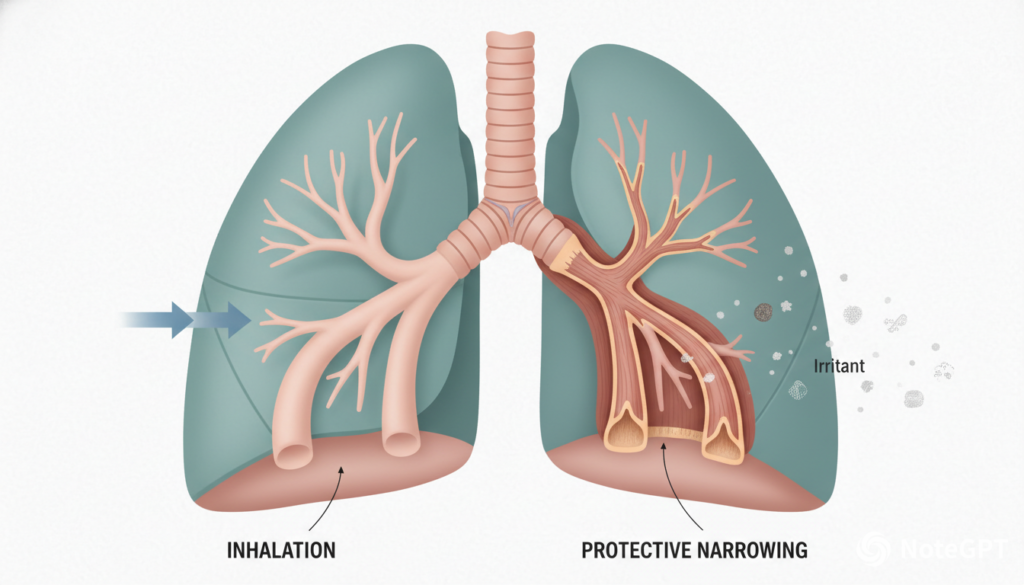
For people with Asthma or COPD, this airway tightening becomes one of the most common winter respiratory problems.
2. Thick Mucus and Congestion
In winter, the body produces thicker mucus to trap viruses and dust. Unfortunately, this also blocks airflow, leading to winter breathing problems like chest heaviness and coughing.
Another cause is less hydration. People usually drink less water in winter, which leads to dehydration. When your body lacks enough fluids, mucus becomes dense and difficult to expel, worsening congestion and breathing discomfort.
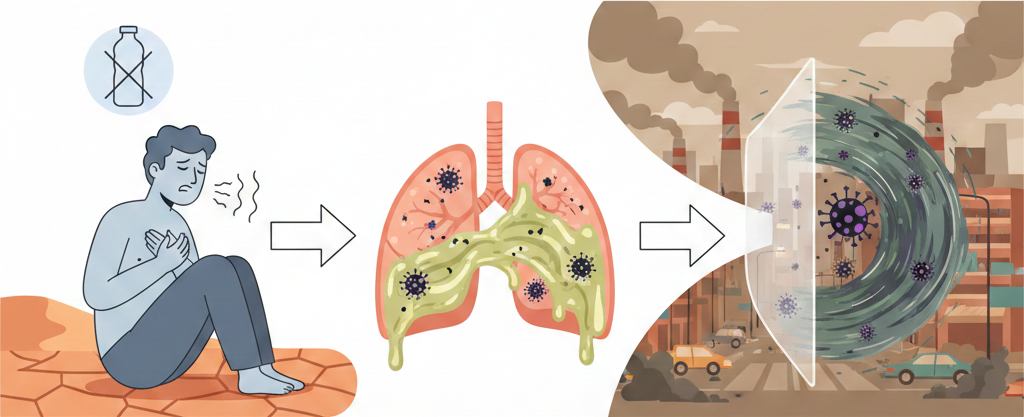
Winter infections, such as the common cold, flu, and sinus infections, are also more frequent in cold months. These illnesses trigger inflammation in the airways and increase mucus production, leading to a blocked nose, chest congestion, coughing, and shortness of breath.
In simple terms, thick mucus and congestion in winter are your body’s response to cold air, dryness, and infections.
Keeping yourself well-hydrated, breathing warm air, and managing colds early can help reduce mucus buildup and make breathing easier during the winter months.
3. Reduced Physical Activity
Winter makes us lazy. Less movement means weaker lung muscles. Over time, this reduces lung capacity and causes breathing difficulty in cold weather, even during small tasks like climbing stairs.
Lack of movement also weakens respiratory muscles and reduces lung capacity over time. This means your body struggles to use oxygen properly, especially when you suddenly become active.
In winter, people also tend to stay indoors for long hours, which further limits movement and makes breathing discomfort more noticeable.
Staying lightly active, even during cold days, helps keep the lungs healthy, improves oxygen flow, and reduces the chances of breathlessness. Simple indoor exercises, stretching, or short walks can make a big difference in preventing shortness of breath caused by reduced physical activity.
4. Winter Infections
Winter infections such as the common cold, flu, bronchitis, pneumonia, and sinus infections can affect the airways and lungs. These infections cause inflammation, excess mucus, and swelling are the major problems of the respiratory tract. As a result, the air passages become narrow, making it harder for oxygen to move in and out smoothly.
Cold air itself can cause discomfort in the lungs, especially for those with weakened immune systems, asthma, or pre-existing lung conditions. When breathing in cold air, the airways constrict, and nasal congestion further reduces oxygen flow, exacerbating the condition.
To reduce the risk, it is important to inhale warm air, maintain cleanliness, drink plenty of fluids, and consult a doctor if breathing difficulties worsen.
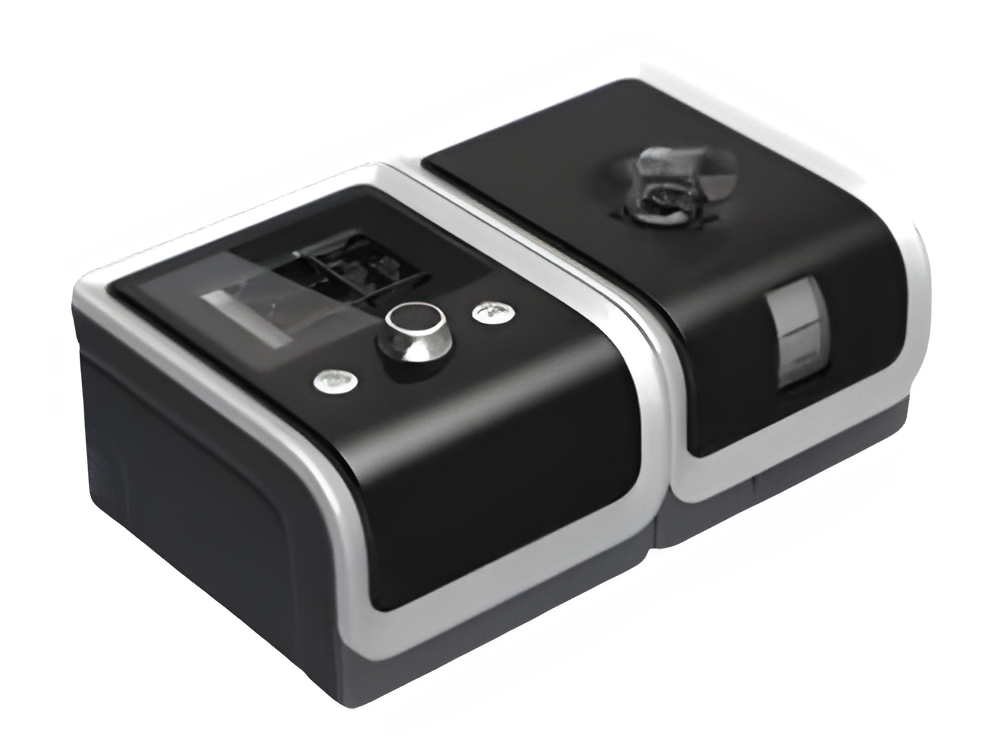
With proper primary care and treatment, you can also use modern medical equipment to alleviate respiratory problems.
For example:
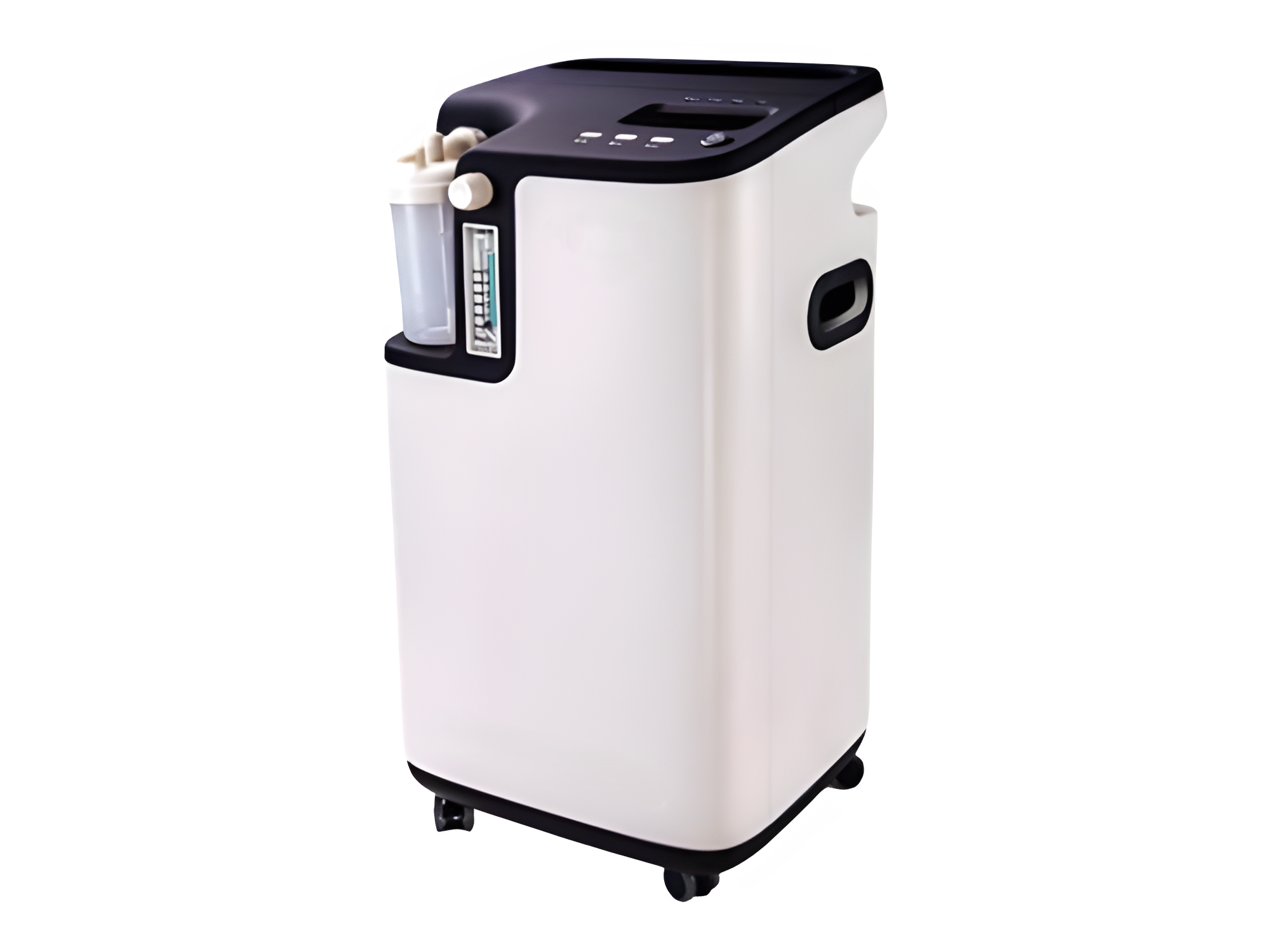
- Oxygen Concentrator– An oxygen concentrator is a medical device that helps people who have low oxygen levels breathe more comfortably. It takes in normal air from the room, removes nitrogen, and delivers oxygen-rich air to the user through a mask or nasal tube. Unlike oxygen cylinders, it does not need refilling, making it very convenient for regular use at home.
- BiPAP Machine– A BiPAP machine (Bilevel Positive Airway Pressure) is a medical device that helps people breathe more easily, especially during sleep or while resting. It is commonly used for patients who have breathing problems such as sleep apnea, COPD, asthma, or other lung and heart conditions.
Even after recovery, lingering shortness of breath in winter may continue for weeks.
5. Heart Works Harder in Cold
Individuals with heart disease, high blood pressure, or weakened heart muscles may experience these symptoms more acutely in cold weather. Even healthy individuals may experience some shortness of breath, as cold air puts extra strain on the heart and lungs.
Keeping the body warm, avoiding sudden exposure to cold, and reducing strenuous activity can help alleviate the strain.
If shortness of breath is frequent or severe, it is important to consult a healthcare professional for proper evaluation.
Is Shortness of Breath in Winter Normal?
Mild shortness of breath in winter can be normal due to cold air, infections, and reduced activity. Still, listening to your body is important.
✅ When It Can Be Normal
- Mild breathlessness while walking in cold air
- After heavy physical activity or exercise
- While climbing stairs or walking fast
- Due to temporary stress or anxiety
- After a long day of physical fatigue
- Because of poor sleep or tiredness
- In mild cold or flu conditions
- Due to blocked nasal or chest congestion
These are common winter breathing problems and usually harmless.
❌ When It Is NOT Normal
You should never ignore shortness of breath in winter if it:
- Wakes you up at night
- If shortness of breath worsens day by day
- If chest pain occurs along with shortness of breath
- If the lips or fingertips turn blue
- If you feel dizzy or faint while breathing
- If swelling appears in the legs or ankles
- If blood or thick mucus comes up with a cough
- If fever and shortness of breath persist for a long time
- Happens with chest pain or dizziness
Persistent breathing difficulty in cold weather often signals deeper health issues.
Who Is Most at Risk During Winter?
Some people are more vulnerable to winter respiratory problems than others:
- Elderly individuals
- Asthma or COPD patients
- Heart disease patients
- Smokers
- Post-COVID patients
- People with obesity or diabetes
- People with Weak Immunity
- People Living Alone
Those who live alone, especially elderly individuals, may not notice early signs of illness or cold exposure. Delayed medical help during winter can turn minor problems into serious health conditions.
For them, even mild cold-weather breathing issues can turn serious quickly.
Common Conditions That Cause Winter Respiratory Problems
1. Asthma Flare-Ups
Cold air is one of the biggest asthma triggers. Many patients report worsening shortness of breath in winter, even if their asthma is well controlled during summer.
2. Chronic Obstructive Pulmonary Disease (COPD)
COPD patients often struggle with severe winter breathing problems due to airway inflammation and infections.
3. Pneumonia and Bronchitis
Pneumonia and Bronchitis infections cause swelling and fluid in the lungs, leading to extreme breathing difficulty in cold weather if untreated.
4. Heart Failure
Breathlessness while lying down or swelling in the legs during winter may signal heart-related cold-weather breathing issues.
5. Anxiety and Panic Attacks
Winter isolation, low sunlight, and stress can trigger anxiety, which often feels like shortness of breath in winter, even when lungs are healthy.
Warning Signs You Should Never Ignore
Seek medical help immediately if you notice:
- Sudden severe breathlessness
- Blue lips or fingertips
- Chest pain with breathing
- Breathlessness with fever
- Confusion or fainting
- Continuous Fatigue
- Sleeping problems
These are dangerous winter respiratory problems and need urgent attention.
Our bodies give us signals every day; we just need to listen to them. Never ignore winter warning signs, no matter how insignificant they may seem. Early intervention can prevent such complications and improve your quality of life.
How to Prevent Breathing Problems in Winter
✔ Keep Yourself Warm
Always cover your nose and mouth with a scarf when going outside. Breathing warm air helps protect your lungs from cold air irritation. Wear layered clothes to keep your body temperature stable.
✔ Maintain Indoor Air Quality
Keep your home clean and dust-free. Use proper ventilation and avoid smoking indoors. If possible, use a humidifier to add moisture to dry air, which helps prevent throat and lung irritation.
✔ Eat Lung-Healthy Foods
Include foods rich in vitamin C, antioxidants, and omega-3 fatty acids. Fruits like oranges, guava, and berries help boost immunity and protect the lungs from infections.
✔ Avoid Smoking and Drinking
Indoor smoke worsens breathing difficulty in cold weather, especially in closed rooms.
✔ Stay Hydrated
Drink enough water, warm fluids, soups, and herbal teas. Proper hydration keeps mucus thin, making it easier to breathe and reducing chest congestion.
✔ Exercise Gently
Light indoor exercises and breathing exercises help keep the lungs active. Avoid heavy outdoor workouts in cold weather, as they may strain your lungs.
Simple Breathing Exercises for Winter
1. Pursed-Lip Breathing
In this method, you breathe in through your nose and breathe out slowly through pursed lips.
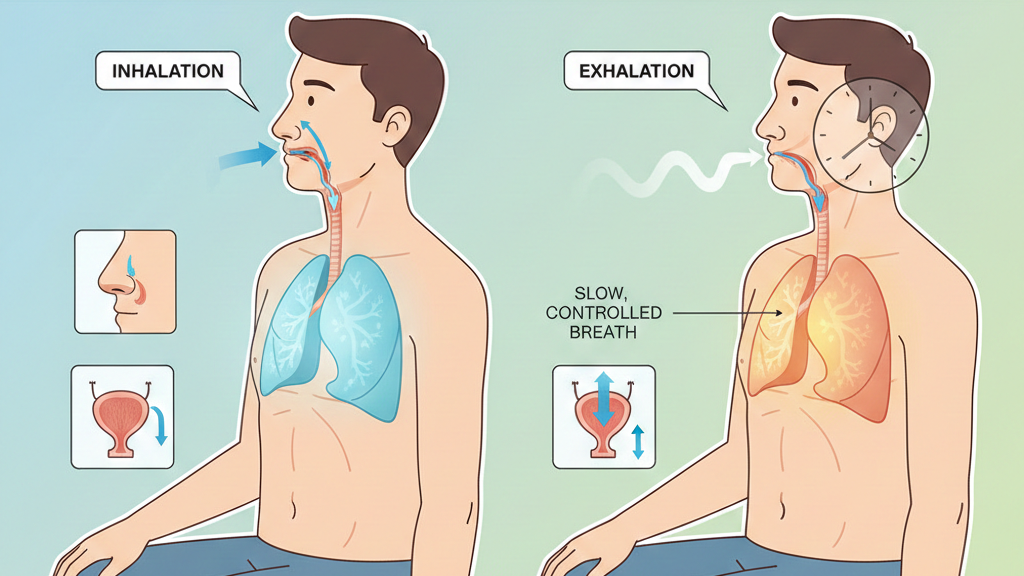
How it helps:
It keeps the airways open longer, removes trapped air from the lungs, and is very useful for people with shortness of breath or COPD in winter.
2. Nose Breathing
Breathing through the nose instead of the mouth is very important in cold weather.
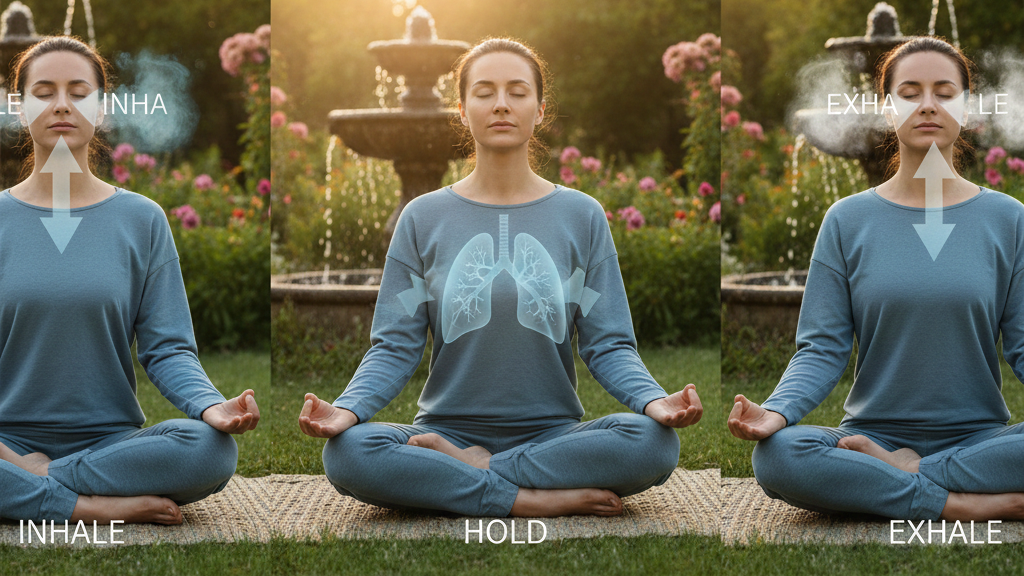
How it helps:
The nose warms and filters the cold air before it reaches the lungs. This reduces irritation, dryness, and breathing discomfort in winter.
3. Chest Expansion Breathing
This exercise focuses on expanding the chest while inhaling deeply.
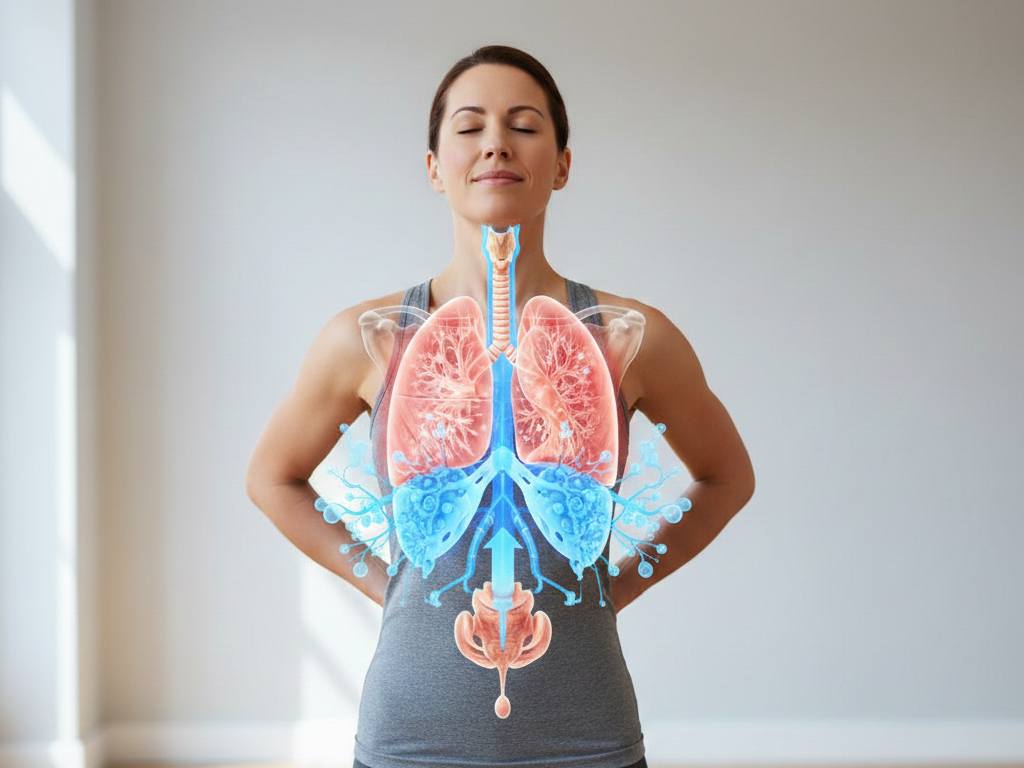
How it helps:
It helps prevent stiffness in the chest muscles, improves lung expansion, and reduces the risk of winter-related lung infections.
4. Breathing with Relaxation
Combining breathing with relaxation or meditation improves lung and mental health.

How it helps:
Relaxed breathing reduces stress, supports immunity, and helps manage winter anxiety related to breathing problems.
When Should You See a Doctor?
Consult a healthcare professional if:
- Breathlessness lasts more than a week
- You need frequent rest breaks
- Symptoms worsen in cold weather
- You have existing lung or heart disease
Early care prevents serious winter respiratory problems.
How Home Healthcare Can Help in Winter
Home healthcare services play a vital role in managing breathing difficulty in cold weather, especially for the elderly and chronic patients.
Support includes:
- Vital sign monitoring
- Respiratory physiotherapy
- Medication management
- Oxygen support
- Winter care plans
Timely home care reduces hospital visits caused by shortness of breath in winter.
Frequently Asked Questions (FAQs)
Is shortness of breath in winter dangerous?
Not always, but persistent symptoms should be checked.
Can cold air damage lungs?
Cold air doesn’t damage lungs permanently, but it can worsen winter breathing problems.
Can anxiety cause winter breathlessness?
Yes, anxiety often mimics cold-weather breathing issues.
Final Thoughts
Experiencing shortness of breath in winter is common, but it should never be ignored. While mild symptoms can be normal, persistent or worsening winter breathing problems are often early warning signs.
Listening to your body, staying warm, staying active, and seeking timely care can protect you from serious winter respiratory problems.
If breathing feels harder this winter, don’t wait. Early attention can make all the difference.