

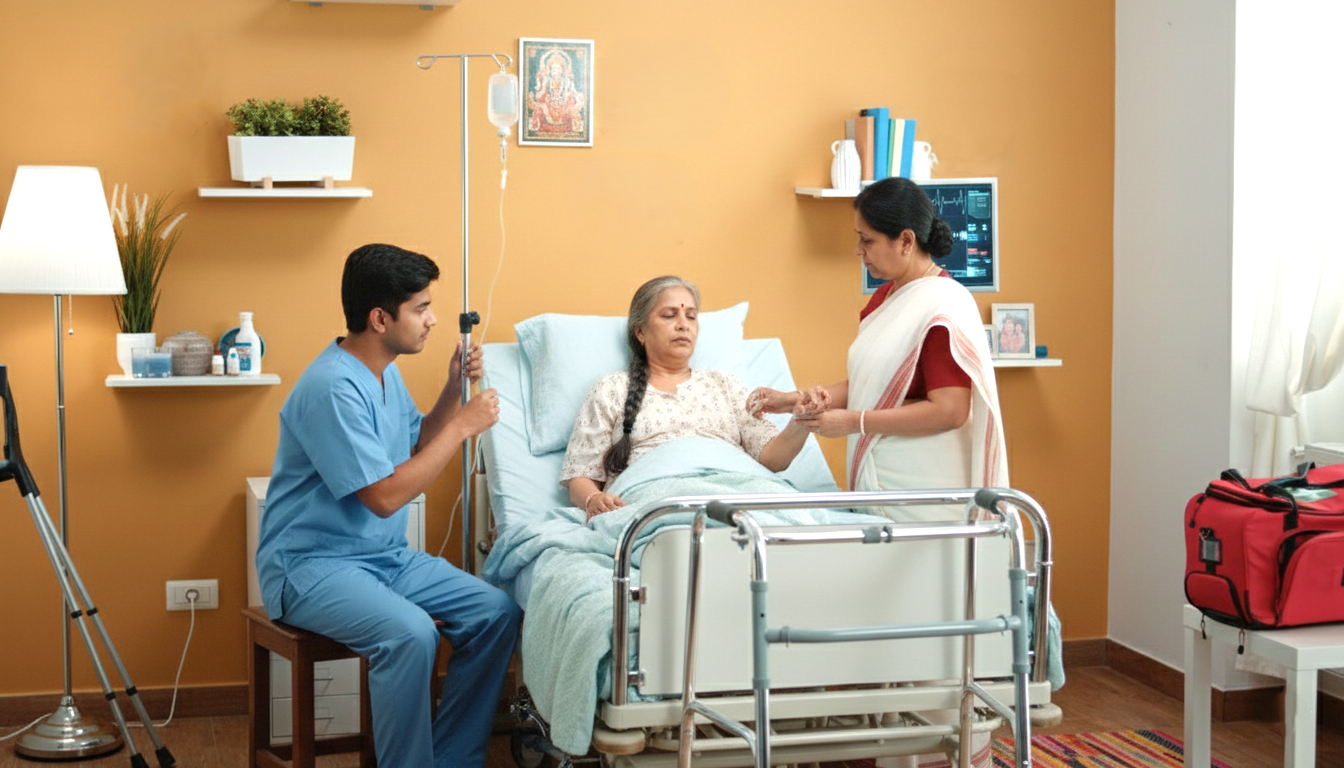
Leaving the hospital after a major illness, surgery, or medical emergency may feel like the end of the health struggle. However, for many patients, the journey to full recovery actually begins once they return home.
This situation is known as post-hospitalization care, and it plays a crucial role in preventing complications, restoring independence, and improving quality of life. Without the right supervision, support, and rehabilitation, patients face a much higher risk of readmission, delayed recovery, and long-term health issues.
The importance of post-hospital care has grown significantly in recent years due to rising chronic diseases, aging populations, and increasing hospital discharge rates. Modern healthcare focuses not just on treating a patient but ensuring they achieve long-term wellness after treatment. In this article, we explore why post-hospitalization care matters, what challenges patients face after discharge, and how structured support can lead to safer and faster recovery outcomes.
Understanding Post-Hospitalization Care
Post-hospitalization care refers to the medical, physical, emotional, and daily living support provided to patients after they are discharged from a hospital. This care bridges the gap between acute medical treatment and complete recovery at home or in a rehabilitation setting.
This type of care may include:
- Medical monitoring
- Medication management
- Physiotherapy & rehabilitation
- Wound care & infection control
- Dietary guidance
- Nursing care
- Mobility support
- Mental health support
- Assistance with activities of daily living (ADLs)
The goal is to help patients regain health, reduce complications, and prevent rehospitalization.
Common Situations That Require Post-Hospital Discharge Care
Not all patients require extended care, but certain medical conditions create higher dependency and vulnerability. These include:
1. Major Surgeries
Patients recovering from orthopedic, cardiac, neurological, abdominal, or cancer-related surgeries need physiotherapy, wound care, and monitoring to avoid infection or mobility loss.
2. Chronic Illnesses
Conditions such as COPD, stroke, heart failure, diabetes, and kidney disease demand ongoing management to prevent flare-ups and emergency readmissions.
3. Injuries or Accidents
Trauma patients often require rehabilitation therapies to restore movement and strength.
4. Elderly Patients
Older adults have slower healing rates and higher risks of falls, infections, and medication errors.
5. Long ICU Stays
Patients discharged from intensive care units may experience muscle weakness, post-ICU syndrome, depression, and fatigue requiring structured rehabilitation.
Challenges: The Gap of Recovery Care After Discharge
While hospitals stabilize patients, they cannot supervise long-term recovery at home. As a result, patients often face several challenges, such as:
➤ Medication Mismanagement
Many patients are discharged with multiple prescriptions. Missing doses, incorrect timing, or dosage errors can lead to serious medical complications.
➤ Risk of Infection
Wounds and surgical sites must be cleaned and dressed properly. Lack of proper care increases infection risk and delays healing.
➤ Physical Weakness & Immobility
Extended bed rest weakens muscles, causing difficulty walking or performing basic tasks.
➤ Higher Readmission Rates
Studies indicate that up to 20–25% of patients return to the hospital within 30 days due to improper home care.
➤ Emotional & Mental Health Stress
Sudden transition from supervised hospital care to home can create anxiety, confusion, or depression, especially among elderly patients.
➤ Lack of Medical Knowledge
Family caregivers may not know how to manage medical needs, handle emergencies, or track patient progress.
These gaps highlight why structured post-hospitalization care is essential.
Importance of Post-Hospitalization Care
1. Reduces Risk of Hospital Readmission
One of the biggest benefits of post-hospital care is preventing rehospitalization. Patients who are not monitored tend to relapse or develop complications that require emergency attention. Proper care ensures symptoms are detected and managed early.
2. Accelerates Healing & Rehabilitation
Rehabilitation therapies such as physiotherapy, occupational therapy, and mobility training help patients regain independence, improve muscle strength, restore flexibility, and prevent long-term disability.
3. Supports Medication Safety
Post-hospital care ensures:
- Correct medication timing
- Right dosages
- Side-effect monitoring
- Avoidance of drug interactions
This is particularly important for patients with complex prescriptions.
4. Monitors Vital Signs & Symptoms
Regular monitoring of blood pressure, oxygen levels, glucose, wound condition, and pain levels helps detect complications before they worsen.
5. Enhances Mental & Emotional Well-Being
Recovering at home can be overwhelming. Caregivers provide emotional support, encourage confidence, reduce stress, and help patients maintain a positive mindset during healing.
6. Improves Nutrition & Hydration
Post-hospital diets are often crucial for recovery, especially for cardiac, diabetic, renal, or post-surgery patients. Dieticians guide safe and balanced nutrition plans.
7. Ensures Safety at Home
Many patients, especially seniors, are at high risk of falls. Post-hospital caregivers help prevent accidents through mobility assistance and safety modifications at home.
8. Restores Independence
Through rehabilitation and gradual physical activity, patients regain strength and confidence in performing daily living tasks independently.
9. Reduces Family Caregiver Burden
Trained nurses and therapists handle clinical tasks, allowing family members to focus on emotional support rather than medical responsibilities.
10. Improves Long-Term Health Outcomes
Good recovery reduces long-term complications, supports better quality of life, and enhances overall health outcomes.
Different Types of Post-Hospitalization Care Services
Post-Hospitalization care varies based on the patient’s condition. Common services include:
● Home Nursing Care
Registered nurses assist with:
- Wound care
- Catheter care
- Injections
- Vital monitoring
- IV infusions
- Medical documentation
● Physiotherapy & Rehabilitation
Helps improve:
- Mobility
- Balance
- Muscle strength
- Pain management
- Coordination
● Personal Care Assistance
Includes help with:
- Bathing
- Dressing
- Eating
- Grooming
● Post-Surgery Care
Ensures safe recovery through:
- Wound dressing
- Pain management
- Rehabilitation
- Infections control
● Respiratory & Cardiac Care
For patients with heart disease, COPD, asthma, or ventilator needs.
● Palliative & Chronic Care
Focuses on comfort, symptom management, and support for long-term illnesses.
● Telehealth & Remote Monitoring
Doctors can track health parameters remotely through digital health tools.
Role of Family & Community in Recovery
The transition from hospital to home is smoother when patients feel supported. Family and community involvement helps by:
- Providing emotional reassurance
- Assisting with motivation & therapy sessions
- Maintaining safety and hygiene
- Tracking progress and symptoms
- Coordinating medical appointments
Patients recover faster when they feel valued, connected, and encouraged.
Impact on Elderly Patients
Elderly individuals benefit significantly from post-hospital care due to:
- Slower healing
- Higher medication needs
- Weaker immunity
- Higher fall risk
- Cognitive changes such as dementia
- Emotional loneliness
Structured care reduces risks of delirium, infections, and prolonged dependence.
Economic Importance of Post-Hospital Care
Although families may see home care as an added cost, it is actually cost-effective compared to hospital stays. Benefits include:
- Reduced hospitalization expenses
- Lower emergency admission charges
- Fewer complications
- Reduced long-term therapy costs
Globally, healthcare systems promote home-based post-hospital care to reduce hospital burden.
Key Professionals Involved in Post-Hospitalization Care
A multidisciplinary team may include:
- Doctors
- Nurses
- Physiotherapists
- Occupational therapists
- Dieticians
- Psychologists
- Speech therapists
- Care aides
Each professional supports different aspects of recovery.
How Long Does Post-Hospital Care Last?
Duration depends on:
- Nature of illness
- Surgical type
- Patient age
- Complications
- Rehabilitation goals
Some patients need weeks, others months. Chronic cases may require lifelong management.
Conclusion
Post-hospitalization care is an essential part of modern healthcare. It ensures that patients transition safely from hospital to home, reduces complications, regains independence, and improves their overall quality of life. Without proper post-discharge support, even a successfully treated hospital case may lead to health setbacks, delayed recovery, or readmission.
As healthcare evolves, the focus is shifting toward long-term wellness rather than just immediate treatment. Supporting patients after hospitalization is not just beneficial for individuals; it also reduces healthcare burdens, improves medical outcomes, and contributes to healthier communities.
A structured, compassionate, and medically supervised post-hospital care approach can truly make the difference between temporary recovery and complete rehabilitation.
https://www.bajajfinserv.in/insurance/health-insurance-all-products