

When a family member is recovering from surgery, injury, diabetes wounds, or bed sores, regular dressing is not just important; it is necessary for fast healing and infection prevention. Many families in India struggle to take patients to hospitals daily for wound care. Long waiting hours, traffic, patient discomfort, and infection risk make it even more stressful.
A professional nurse visits your home and performs sterile wound dressing with complete care, hygiene, and medical supervision. It is safe, convenient, and cost-effective. In this detailed guide, you will understand everything about home dressing services, benefits, types of wounds, procedure, cost, and why choosing professional care matters.
What is a Dressing Nurse At Home?
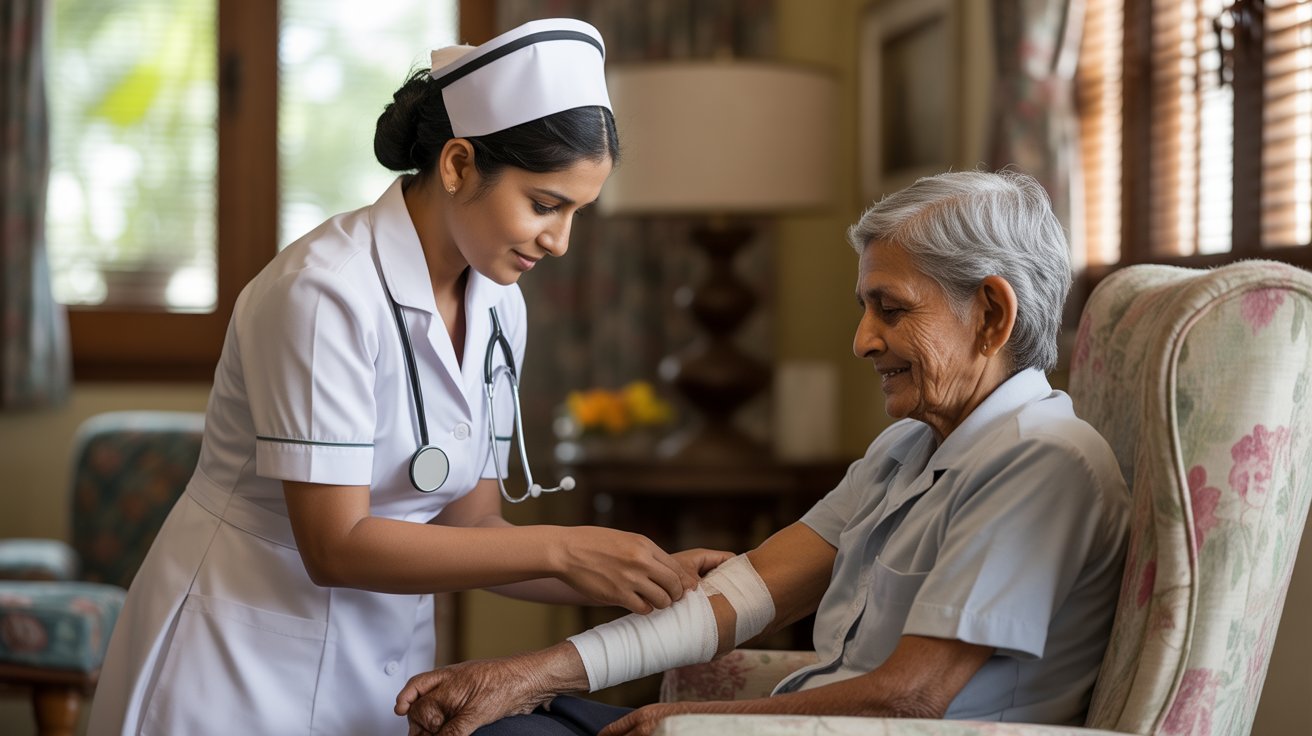
A Dressing Nurse At Home is a trained and certified nurse who provides wound care services at the patient’s residence. The nurse cleans the wound, removes old dressings, applies medication if prescribed, and covers it with sterile bandage materials.
This service is ideal for:
- Post-surgery wound care
- Diabetic foot ulcers
- Bed sores (pressure sores)
- Burn injuries
- Accident wounds
- Stitches removal
- Chronic wounds
- Abscess dressing
Home dressing service ensures that the patient heals in a comfortable and stress-free environment.
Why is Wound Dressing Very Important?
Infection Prevention
One of the main reasons why wound dressing is important is infection prevention. Open wounds can easily allow bacteria, germs, and dust to enter the body. As a result, the risk of infection increases significantly. A proper sterile wound dressing creates a protective barrier over the wound and keeps harmful bacteria away. Moreover, professional dressing techniques help maintain a clean environment, which is crucial for safe healing.
Prevents Pus Formation
If a wound is not cleaned and dressed properly, bacteria can multiply inside the wound and lead to pus formation. Pus is a sign that the wound has become infected and needs immediate medical attention. Regular professional wound dressing at home helps remove dead tissue, control infection, and keep the wound dry and clean. Consequently, this reduces the chance of pus formation and further complications.
Faster Wound Healing
Proper dressing significantly supports faster wound healing. A clean and well-protected wound heals more efficiently because the body can focus on repairing damaged tissues. In addition, modern wound care techniques such as advanced wound dressing and medical wound management help maintain the right moisture level around the wound. This environment allows new skin cells to grow faster and promotes healthy tissue regeneration.
Reduces Bad Smell from Wounds
Another common issue with poorly managed wounds is a bad smell. When wounds become infected or when discharge accumulates, an unpleasant smell can develop. This can be uncomfortable and embarrassing for patients. However, regular dressing changes help remove discharge, bacteria, and dead tissue. As a result, proper wound care and dressing keep the wound fresh, clean, and smell-free.
Minimizes Pain and Discomfort
Untreated or infected wounds can cause significant pain and discomfort. When a wound is properly cleaned and dressed, it stays protected from irritation, friction, and contamination. Furthermore, professional wound care nurses use gentle techniques and appropriate dressing materials that help reduce pain during the healing process. Consequently, patients experience more comfort and better recovery.
Reduces the Risk of Hospital Admission
Many serious infections start from small wounds that were not treated properly in the early stage. If infection spreads, patients may require hospital admission, antibiotics, or even surgery. However, timely home wound dressing services by trained nurses can prevent such complications. Regular monitoring also helps identify early warning signs, allowing quick medical intervention before the condition becomes severe.
Helps Monitor the Wound Condition
Another major benefit of professional dressing is regular wound monitoring. Each time a dressing is changed, the wound can be carefully examined for signs of healing or infection. Nurses check for redness, swelling, discharge, and tissue condition. Therefore, professional wound assessment at home helps ensure that the treatment is working properly and adjustments can be made if needed.
Promotes Better Recovery and Reduces Scarring
Proper wound care not only heals the wound but also helps improve the final skin appearance. When wounds are managed correctly with sterile dressing techniques, the chances of deep scars are reduced. In addition, controlled healing prevents tissue damage and supports smoother skin recovery.
Professional Wound Dressing at Home
Today, many patients prefer wound dressing at home by trained nurses because it is convenient, safe, and comfortable. Home wound care services provide hospital-level hygiene while allowing the patient to recover in a familiar environment. Professional nurses follow strict medical protocols, use sterile materials, and ensure the wound heals properly.
Who Needs a Dressing Nurse At Home?
1. Post-Surgery Patients
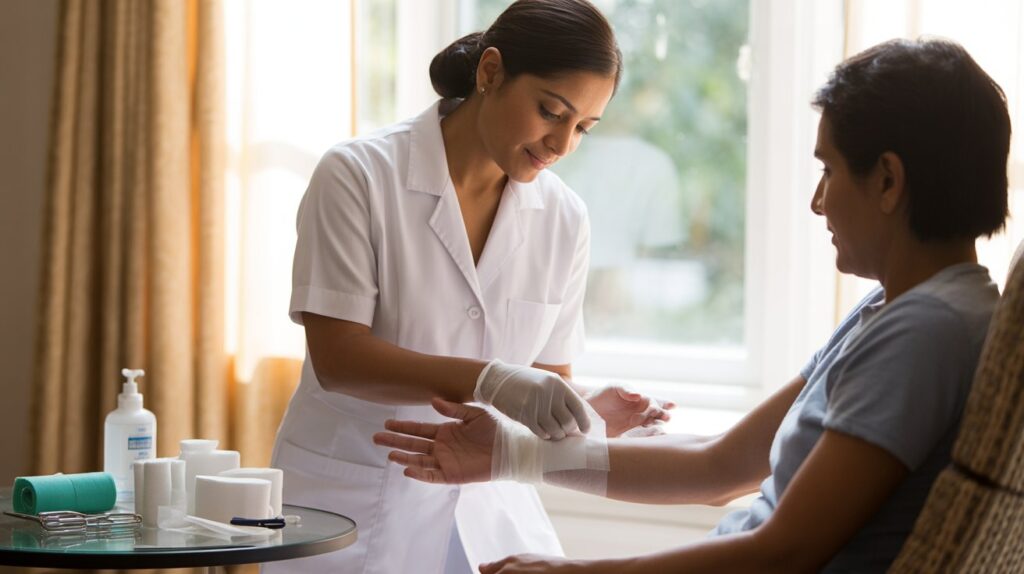
After surgeries like C-section, appendectomy, hernia repair, orthopaedic surgery, or plastic surgery, proper wound care is extremely important for fast recovery. However, travelling to the hospital every day for dressing can be painful and inconvenient for patients. A dressing nurse at home provides sterile wound care, regular dressing changes, and infection monitoring in the comfort of the home. As a result, patients heal faster and avoid unnecessary hospital visits.
2. Diabetic Patients
People suffering from diabetes are at high risk of developing diabetic foot ulcers and slow-healing wounds. Without proper care, these wounds can become infected and may even lead to serious complications like amputation. Therefore, regular sterile dressing at home by a trained nurse is essential. Professional wound care helps prevent infection, improves healing, and keeps the wound clean and protected.
3. Bedridden Patients
Patients who remain in bed for long periods often develop bed sores (pressure ulcers) due to continuous pressure on the skin. These wounds require special medical attention and regular dressing. A home care dressing nurse ensures proper wound cleaning, antiseptic care, and monitoring. Consequently, this reduces the risk of infection and supports faster healing for bedridden patients.
4. Accident & Trauma Patients
People who suffer from road accidents, cuts, or traumatic injuries often have open wounds that need proper cleaning and regular dressing. If not treated correctly, these wounds can easily get infected. With a professional nurse for dressing at home, patients receive safe wound care, proper antiseptic treatment, and continuous monitoring without the stress of hospital visits.
5. Burn Patients
Burn injuries are extremely sensitive and painful. In addition, burn wounds require careful handling and sterile dressing to prevent infection and support healing. A trained home care nurse uses proper antiseptic methods and gentle dressing techniques. As a result, burn patients receive safe, hygienic, and comfortable wound care at home.
Types of Wound Dressing Provided at Home
Different wounds need different treatment. A professional nurse understands which dressing method is suitable.
1. Simple Dressing
Simple wound dressing is commonly used for small cuts, stitches, or minor injuries. In this method, a trained nurse first cleans the wound with an antiseptic solution to prevent infection. After that, sterile gauze and medical tape are applied to protect the area. This type of dressing is quick and effective for minor wounds, surgical stitches, and small injuries. Regular dressing change at home also helps keep the wound clean and supports faster healing with minimal risk of infection.
2. Advanced Dressing
Advanced wound dressing is recommended for deeper wounds, diabetic ulcers, and post-surgical wounds that require special care. In this process, nurses use modern medical materials such as hydrocolloid, foam, or antimicrobial dressings. These dressings help maintain the right moisture level, which is very important for faster wound healing. As a result, advanced dressing reduces pain, controls infection, and improves recovery for chronic or complicated wounds.
3. Vacuum Dressing (NPWT)
Vacuum dressing, also known as Negative Pressure Wound Therapy (NPWT), is used for serious or long-lasting wounds that do not heal easily. In this technique, a special device applies controlled suction to the wound area. This process removes excess fluid, reduces swelling, and increases blood flow to the tissue. Because of these benefits, NPWT dressing is widely used for chronic wounds, diabetic foot ulcers, and large surgical wounds to promote faster and more effective healing.
4. Burn Dressing
Burn wounds require special treatment and careful dressing to prevent infection and reduce pain. During burn dressing at home, nurses gently clean the affected area and apply burn ointments and non-stick sterile dressings. These materials protect the sensitive skin and help maintain moisture for better healing. Proper burn wound care also helps reduce the chances of skin damage, scarring, and infection.
5. Pressure Sore Dressing
Pressure sores, also called bedsores, usually develop in patients who stay in bed for a long time. Therefore, these wounds require regular monitoring and proper dressing. A professional nurse carefully cleans the sore and applies foam or specialized pressure sore dressings that reduce pressure and absorb wound discharge. With proper care and regular dressing at home, pressure ulcers can heal faster, and complications can be prevented.
Step-by-Step Procedure of Dressing at Home
Professional nurses follow strict medical protocols:
Hand Sanitisation and Sterile Gloves
First of all, proper hand sanitisation is extremely important before touching the wound. Hands must be cleaned using a medical-grade hand sanitizer or soap and water to remove germs. After that, sterile gloves are worn to maintain hygiene and prevent infection. This simple step creates a safe environment for wound dressing at home and protects both the patient and the caregiver.
Removal of the Old Dressing Carefully
Next, the old dressing is removed slowly and carefully. This step must be done gently to avoid pain or damage to the healing tissue. If the dressing sticks to the wound, saline may be used to loosen it. Careful removal helps reduce discomfort and prevents further injury during the home wound care procedure.
Inspection of Wound Condition
After removing the old dressing, the wound is inspected properly. The caregiver checks for signs such as redness, swelling, pus, bad smell, or unusual discharge. This inspection helps identify possible infection early. Regular observation is essential for proper wound healing at home.
Cleaning with Saline or Antiseptic Solution
Then the wound is cleaned using sterile saline or a doctor-recommended antiseptic solution. Cleaning removes dirt, bacteria, and dead tissue from the wound area. As a result, the risk of infection is reduced, and the wound environment becomes suitable for faster healing.
Applying the Prescribed Ointment
After cleaning, the prescribed medical ointment or antibiotic cream is applied carefully. This medication helps prevent infection, reduce inflammation, and support tissue repair. Using the correct ointment recommended by a doctor is very important for effective wound treatment at home.
Covering with Sterile Gauze or Bandage
Once the ointment is applied, the wound is covered with sterile gauze or a clean bandage. This protective layer keeps the wound safe from dust, bacteria, and friction. Moreover, it absorbs any discharge and helps maintain a moist environment, which is beneficial for faster wound recovery.
Safe Disposal of Medical Waste
After the dressing procedure is complete, all used materials, such as gloves, gauze, and cotton, must be disposed of safely. Proper medical waste disposal prevents the spread of infection and keeps the surrounding area clean and hygienic.
Patient and Family Guidance
Finally, the patient and family members are given proper guidance about wound care. They are advised about dressing change timing, hygiene practices, and warning signs like pain, swelling, or fever. This guidance helps families manage home wound care safely and effectively while ensuring better healing outcomes.
Everything is done with hygiene and safety standards.
Benefits of Dressing Nurse At Home
Comfort & Convenience
Getting a dressing nurse at home makes treatment much easier for patients and families. Instead of visiting hospitals again and again, the patient can stay in the comfort of home. As a result, wound care becomes less stressful and more convenient. Home surroundings also help patients feel relaxed, which supports better recovery and regular dressing care.
Reduced Infection Risk
Hospitals often have a higher risk of infections because many patients with different illnesses stay in the same place. However, home wound dressing service significantly reduces this exposure. When a trained nurse performs sterile wound dressing at home, the risk of cross-infection becomes much lower, helping the wound heal safely.
Personalized Care
Another major benefit is personalized nursing care at home. A professional nurse gives one-to-one attention to the patient, carefully checking the wound condition during every dressing change. Because of this focused care, problems like infection, swelling, or delayed healing can be identified early and managed properly.
Saves Time & Money
Choosing a nurse for wound dressing at home can also save both time and money. Patients do not need to travel to hospitals or wait in long queues for basic dressing procedures. Moreover, avoiding frequent hospital visits reduces transportation costs and other unnecessary expenses.
Emotional Support
Finally, emotional comfort plays an important role in recovery. When patients receive professional wound care at home, they stay close to their family members in a familiar environment. This emotional support often improves confidence, reduces anxiety, and helps the patient heal faster.
Bed Sore Dressing at Home
Bed sores, also known as pressure ulcers, are common in patients who stay in bed for a long time due to illness, paralysis, or old age. These wounds usually develop on areas like the back, hips, heels, and elbows because of continuous pressure on the skin. If not treated properly, bed sores can become infected and may lead to serious health complications. Therefore, bed sore dressing at home is very important for proper wound care and faster healing.
Regular and professional dressing helps keep the wound clean and prevents bacterial infection. Moreover, proper wound care supports tissue healing, reduces pain, and improves the patient’s overall comfort. With the help of a trained nurse for bed sore dressing at home, families can ensure that the patient receives safe and hygienic treatment without the need to visit a hospital frequently.
During home dressing, the nurse first cleans the wound carefully using antiseptic solutions. After that, the dead tissue or discharge is removed if required, and a sterile dressing is applied to protect the wound. As a result, the healing process becomes faster, and the risk of complications decreases.
In addition, home wound care allows patients to stay in a familiar and comfortable environment. This not only reduces stress but also helps patients recover better. Many families now prefer home healthcare services for bed sore treatment because it saves time, reduces hospital visits, and provides personalized care.
How Often is Dressing Required?
The frequency of wound dressing depends on the type of wound, level of infection, and the amount of fluid coming from the wound. In many cases, doctors recommend changing the dressing once a day to keep the wound clean and protected. However, some wounds may need more frequent dressing changes, especially if there is heavy discharge, bleeding, or a high risk of infection.
For surgical wounds, diabetic wounds, pressure sores, or chronic wounds, dressing may be required every day or every other day, depending on the healing condition. On the other hand, advanced dressings such as NPWT (Negative Pressure Wound Therapy) or special medical dressings may remain in place for 2 to 3 days if advised by a healthcare professional.
Most importantly, regular wound dressing helps prevent infection, supports faster healing, and reduces complications. Therefore, it is always best to follow the doctor’s recommendation and have wound dressing done by a trained nurse at home to ensure safe and proper wound care.
How to Choose the Best Dressing Nurse Service?
Before booking:
✔ Check nurse qualification
✔ Ask about experience
✔ Confirm sterile equipment usage
✔ Read reviews
✔ Ensure emergency support
Professional agencies provide trained GNM or BSc nurses for safe service.
Cost of a Dressing Nurse At Home
The cost of a dressing nurse at home can vary depending on several important factors. The final price usually depends on the patient’s wound condition, the materials needed, and how often the nurse visits.
Type of Wound
First of all, the type of wound plays a major role in determining the cost. Simple wounds such as small cuts or minor surgical wounds usually require basic dressing, so the cost remains lower. However, complex wounds like diabetic foot ulcers, bedsores, or infected wounds may need advanced dressing techniques. In such cases, professional wound care by an experienced nurse becomes essential, which can slightly increase the service cost.
Location
Another important factor is the service location. In large cities, travel distance and transportation can influence the final price of home nursing services. If the patient lives far from the service area, the cost may be a little higher. However, choosing a dressing nurse near you ensures faster response and convenient medical care at home.
Frequency of Visit
The frequency of nurse visits also affects the total cost. Some patients require daily wound dressing, while others may only need dressing changes two or three times a week. Naturally, more frequent visits increase the overall expense. Still, regular dressing by a qualified nurse helps prevent infection and promotes faster wound healing.
Dressing Material Required
Finally, the type of dressing material required can impact the cost. Basic gauze and antiseptic dressings are generally affordable. On the other hand, advanced materials such as vacuum dressing, hydrocolloid dressing, or negative pressure wound therapy (NPWT) may increase the price. These specialized materials, however, support faster healing and better infection control.
Generally, basic dressing starts at affordable rates. Advanced wound dressing may cost more.
Home service is often cheaper than repeated hospital visits.
Why Professional Dressing is Better Than Self-Dressing?
Many people try to clean and dress wounds at home by themselves. However, professional wound dressing by a trained nurse or healthcare professional is usually safer and more effective. Proper dressing helps prevent infection, reduces pain, and supports faster recovery.
Moreover, healthcare professionals understand different types of wounds and use the correct techniques and sterile materials. Because of this, professional dressing often gives better results than self-dressing at home.
Professional Dressing vs Self-Dressing
| Important Point | Professional Dressing | Self-Dressing |
|---|---|---|
| Hygiene & Sterility | Uses sterile gloves, medical tools, and proper antiseptic techniques | Risk of contamination due to improper hygiene |
| Infection Prevention | Medical professionals know how to prevent bacterial infection | Higher risk of infection if dressing is done incorrectly |
| Correct Dressing Materials | Uses the right medical dressing based on wound type | People often use wrong or low-quality materials |
| Pain Management | Dressing is done gently to reduce pain and tissue damage | Incorrect technique may increase pain |
| Faster Healing | Proper cleaning and dressing help wounds heal faster | Healing may become slow or complicated |
| Wound Monitoring | Nurses can identify infection, swelling, or complications early | Early warning signs are often missed |
| Safety for Serious Wounds | Suitable for surgical wounds, diabetic wounds, and pressure sores | Not safe for complex or deep wounds |
Key Benefits of Professional Wound Dressing
First of all, professional dressing ensures proper wound cleaning and sterilization. In addition, trained nurses know how to select the right dressing for different wounds such as surgical wounds, diabetic wounds, burns, or bedsores.
Furthermore, regular professional dressing reduces complications like pus formation, swelling, bad smell, and delayed healing. As a result, patients recover faster and avoid hospital visits.
For elderly patients, diabetic patients, or people with chronic wounds, professional dressing at home is especially helpful. It provides safe treatment in a comfortable home environment.
Safety and Hygiene Standards
Maintaining proper safety and hygiene standards is extremely important during wound care or medical dressing at home. It helps prevent infection, protects the patient, and ensures faster healing. Therefore, healthcare professionals always follow strict hygiene practices while providing nursing care.
The following safety measures are commonly used to ensure a clean and safe medical environment.
- Sterile dressing kit: A sterile dressing kit is used to keep the wound care process clean and infection-free. It usually contains sterile gauze, cotton, dressing pads, forceps, and antiseptic solution. Because all items are sterilized, it reduces the risk of bacteria entering the wound. As a result, the wound heals faster, and complications are minimized.
- Disposable gloves: Nurses and caregivers always wear disposable medical gloves before touching a wound. This simple step acts as a barrier between the caregiver’s hands and the patient’s skin. In addition, it prevents the spread of germs and maintains proper infection control during the dressing procedure.
- Medical waste disposal: Proper medical waste disposal is essential after dressing or treatment. Used gauze, cotton, gloves, and other contaminated materials are safely collected and disposed of according to healthcare guidelines. Consequently, this prevents environmental contamination and reduces the risk of infection in the home or healthcare setting.
- Infection control protocol: Following a strict infection control protocol is necessary during any medical procedure. Healthcare professionals clean the wound area, sanitize their hands, and use sterile equipment throughout the process. Moreover, these protocols follow medical safety standards to protect both the patient and the caregiver from harmful infections.
Safety is the top priority.
Dressing Nurse At Home for Elderly Patients
As people grow older, their skin becomes thinner, and wounds take longer to heal. Therefore, proper wound care becomes very important for elderly patients. Dressing nurse at home for elderly patients is a safe and convenient solution that helps seniors receive professional medical care without visiting a hospital.
A professional dressing nurse at home ensures that wounds are cleaned properly, infections are prevented, and the healing process is monitored carefully. Moreover, elderly patients often feel more comfortable receiving treatment in their own home environment.
Why Elderly Patients Need a Dressing Nurse at Home
Firstly, many senior citizens suffer from conditions like diabetes, pressure sores, surgical wounds, or chronic ulcers. Because of weak immunity and slow healing, these wounds require regular and hygienic dressing.
A trained home care nurse for wound dressing can:
- Clean and disinfect wounds properly
- Change dressings using sterile techniques
- Monitor signs of infection
- Support faster wound healing
- Provide comfortable care at home
In addition, regular dressing by a professional nurse reduces the risk of complications and hospital admission.
Benefits of Dressing Service at Home
Choosing a wound dressing nurse at home offers several benefits. Most importantly, it saves time and reduces the stress of hospital visits for elderly patients.
Furthermore, home dressing services provide:
- Safe and hygienic wound care
- Personalized attention for senior patients
- Reduced infection risk
- Comfortable treatment at home
- Faster recovery with regular monitoring
Professional Dressing Care for Seniors
For elderly patients, proper wound care is essential to prevent infection and pain. Therefore, booking a dressing nurse at home for elderly patients is a practical and reliable option.
With experienced nurses, families can ensure their loved ones receive safe, professional, and compassionate wound care at home, helping them recover comfortably and with dignity.
Frequently Asked Questions (FAQ)
Is home dressing safe?
Yes, if done by a trained and certified nurse.
Can stitches be removed at home?
Yes, professional nurses can remove stitches safely as per the doctor’s advice.
How long does one dressing session take?
Usually 20–40 minutes, depending on wound condition.
Is dressing painful?
Mild discomfort may occur, but nurses handle it gently to reduce pain.
Why is dressing nurse at home growing in India?
Healthcare needs are increasing. People prefer comfort and safety. Home healthcare services are becoming popular because they:
- Reduce hospital burden
- Offer personalized care
- Are affordable
- Provide better patient satisfaction
Especially in metro cities and urban areas, home dressing services are in high demand.
Final Thoughts
Wound care is not something to ignore. Proper dressing at the right time prevents infection, reduces pain, and speeds up healing.
Dressing Nurse At Home is the safest and most convenient solution for patients who need regular wound care without hospital stress. Whether it is post-surgery care, diabetic foot, bed sore, or injury dressing, professional home nursing ensures comfort, hygiene, and better recovery.
If your loved one needs regular wound care, choosing a trained home dressing nurse can make a big difference in healing and overall well-being.
Home healthcare is not just a service; it is compassionate care delivered at your doorstep.